
Film Cycle: In Spring. Films from Ukraine | First session: Youth and Crowds as Constructs
3 June 2026 | 19:00 – 21:30

FILM CYCLE in collaboration with Filmoteca Española: In Spring. Films from Ukraine
Curated by Roman Khimei & Yarema Malashchuk in collaboration with TBA21.
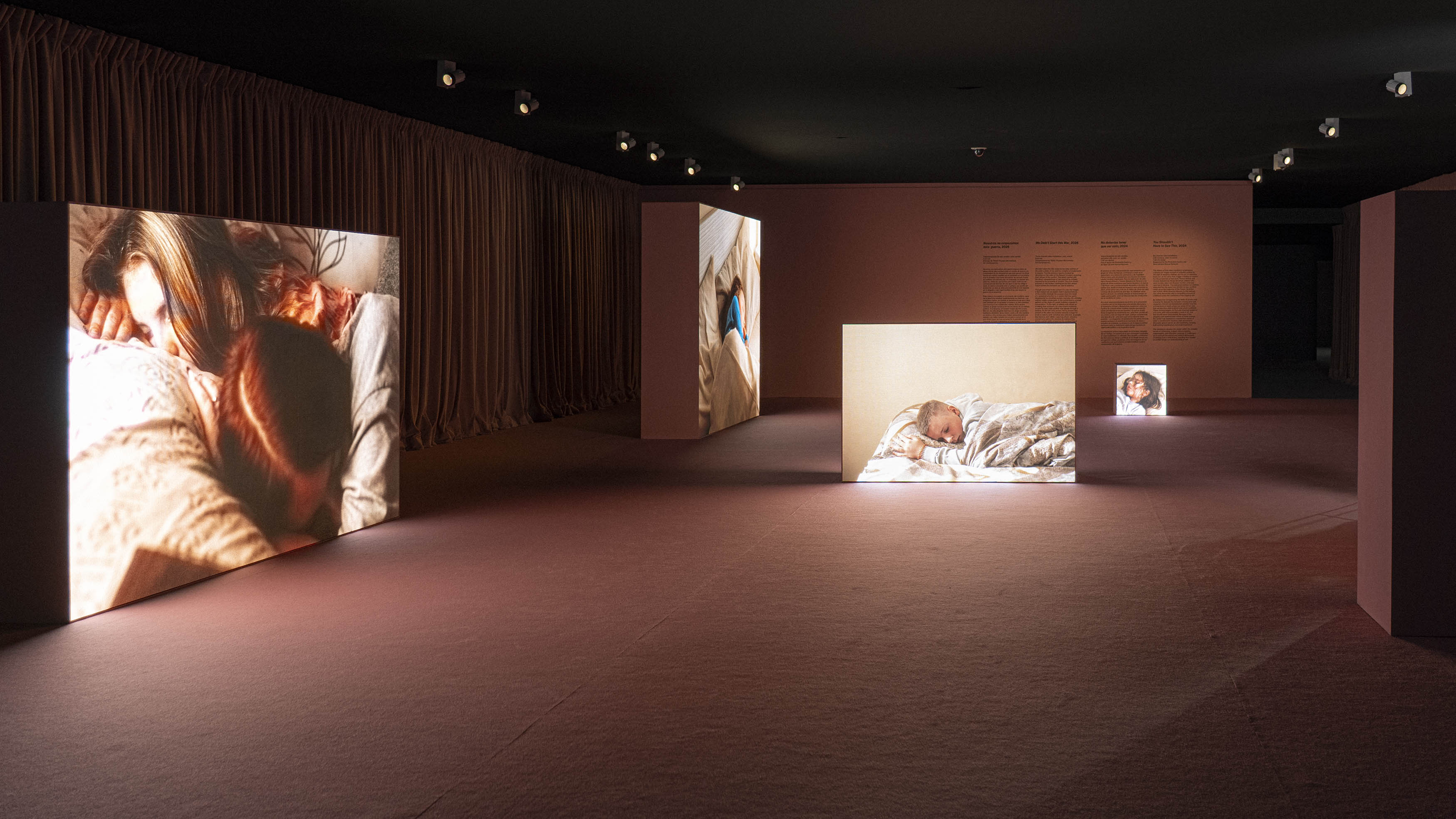
In Spring. Films from Ukraine, organized alongside the exhibition Pedagogías de guerra at the Museo Nacional Thyssen-Bornemisza, brings together a series of short films by the artists Roman Khimei & Yarema Malashchuk and complementary works by other artists and filmmakers to explore how historical and ongoing conflicts continue to shape spaces, social relations, and individual subjectivities. The program engages with themes of youth and everyday life in conflict, historical memory and the legacy of war, as well as migration, borders, and Europe in transition. Together, these works highlight the persistent traces of past and present upheavals, showing how cinema can serve as a space to navigate the complex interplay of forgetting and remembering.
Cinema has always played a role in the construction of youth: from the workers of the Lumière brothers to the heroes of socialist realism and the entrepreneurs of the neoliberal imagination. This section examines how Ukrainian filmmakers inherit and interrogate these traditions through works that offer a direct look at young people in Ukraine and at how they inhabit and respond to spaces marked by uncertainty and change.
Date and time: June 3, 2026, 19:00h
Location: Cine Doré, Madrid
Access: Ticket sales at the box office until full capacity is reached. A quota of 10% of the capacity is reserved for entry without a prior ticket on the day of the event.
Recommended age: All audiences are welcome
Language: Original version with Spanish subtitles
Session duration: approximately. 133 min.
PROGRAM:
SHORT FILMS BY ROMAN KHIMEI & YAREMA MALASHCHUK:
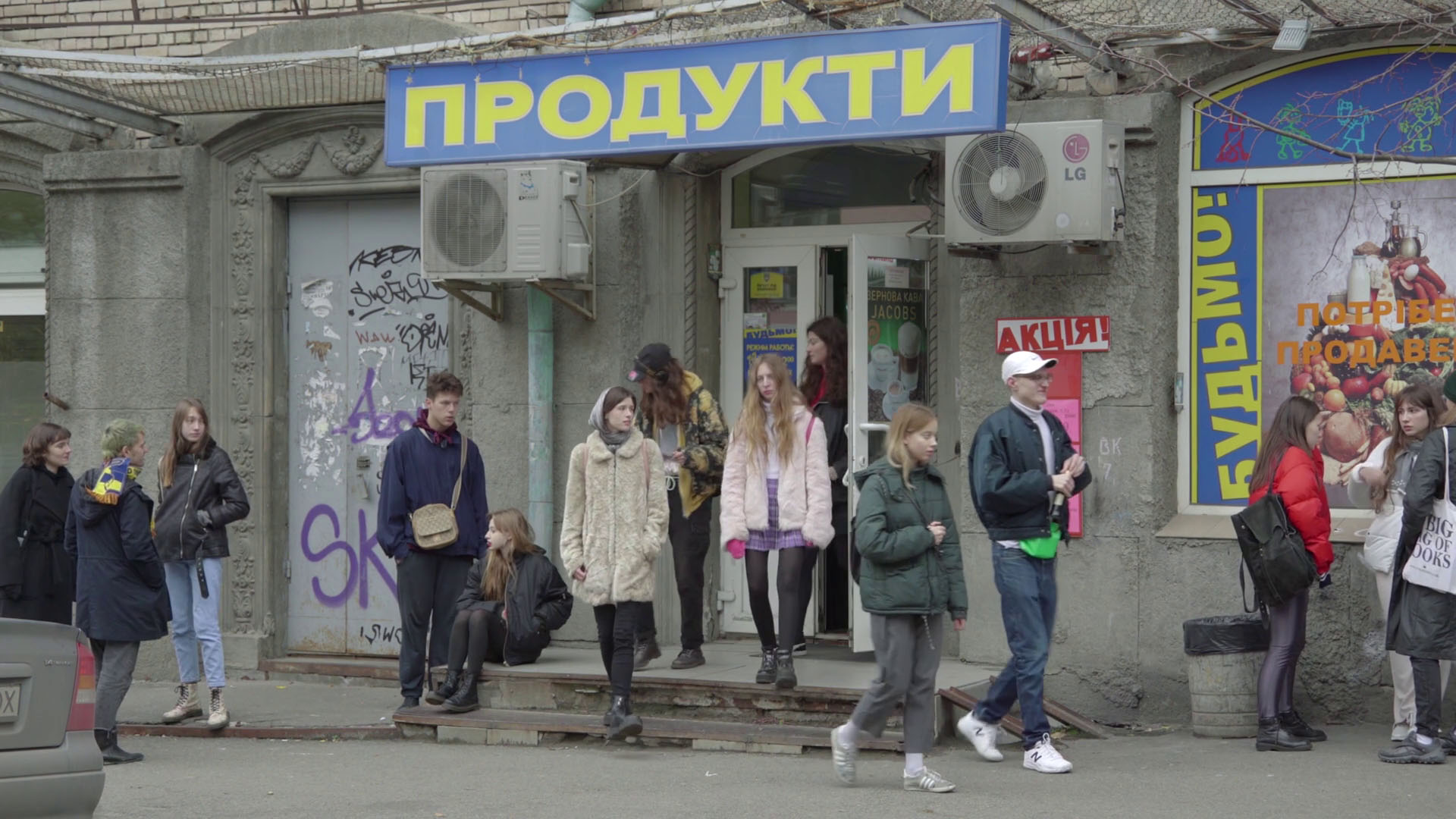
Kyiv Youth Leaving a Grocery Store (UA, 2017, 3 min)
Kyiv’s Youth Leaving a Grocery Store is an homage to the Lumière brothers’ Workers Leaving the Lumière Factory. Reconsidering some of the earliest works in cinema history, the artists reflect on the transformation of labour and shifts in socio-economic structures. The film suggests a reversal between production and consumption: the site of production becomes a space of consumption, while leisure itself turns into exhausting labour on the dancefloor.
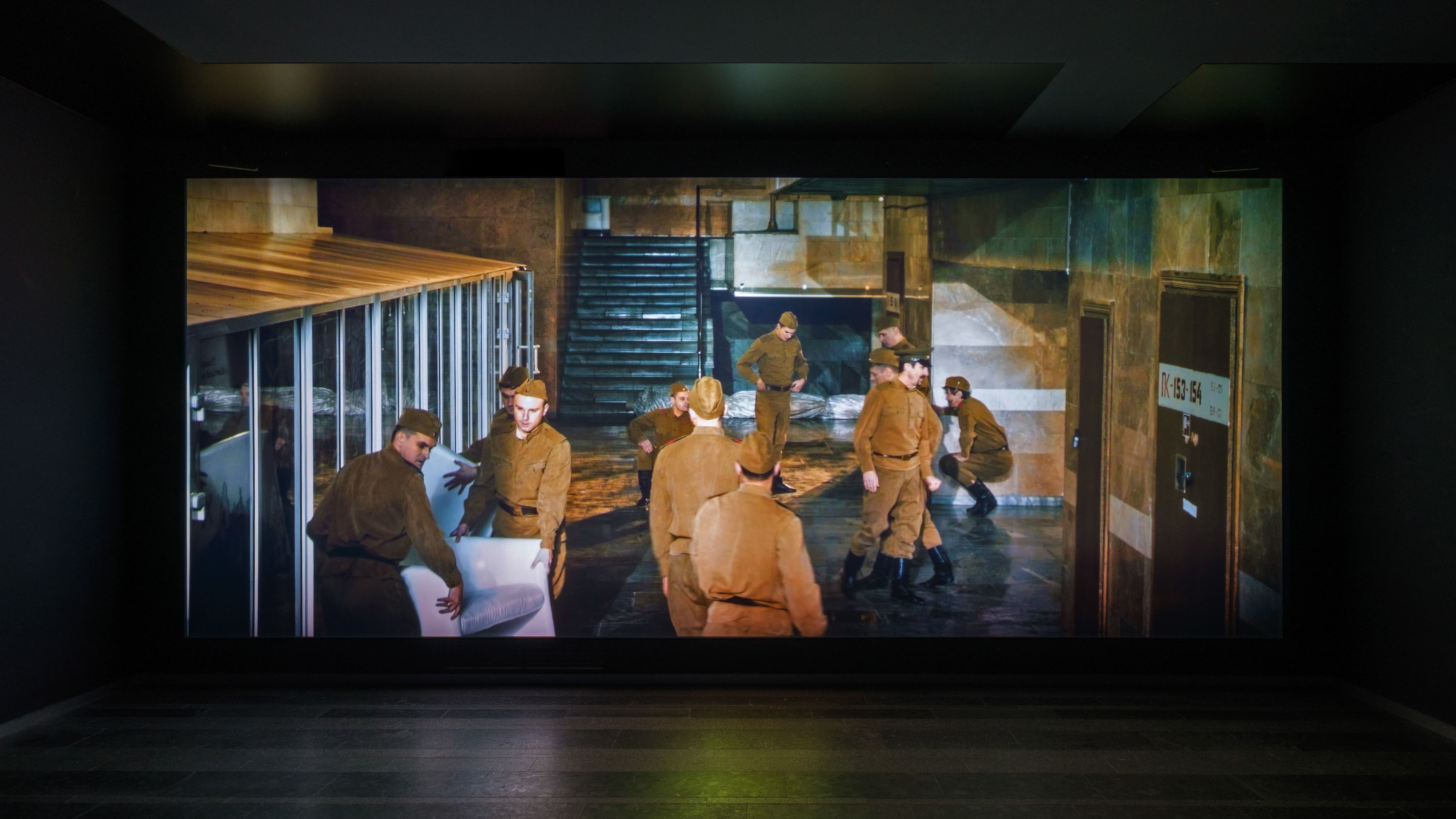
Live-Stream (UA, 2020, 17 min)
Live Stream, initially perceived as documentary footage, reflects on the construction of reality and the meaning of the image in the contemporary visual age. It shows men in military uniforms resembling the Red Army performing a carefully prepared dance, repeatedly interrupted by passers-by crossing the corridor. Their reactions reveal how the image has become detached from its original context, as viewers respond as if witnessing an unfamiliar or archaic ritual. The corridor becomes a liminal space where history and present, reality and fiction, and image and matter intersect, prompting questions about the quality, function, and meaning of moving images today.
Dedicated to the Youth of the World I (UA, 2017, 2 min 26 sec)
Dedicated to the Youth of the World II (UA, 2019, 8 min 49 sec)
Dedicated to the Youth of the World III (UA, 2023, 8 min 49 sec)
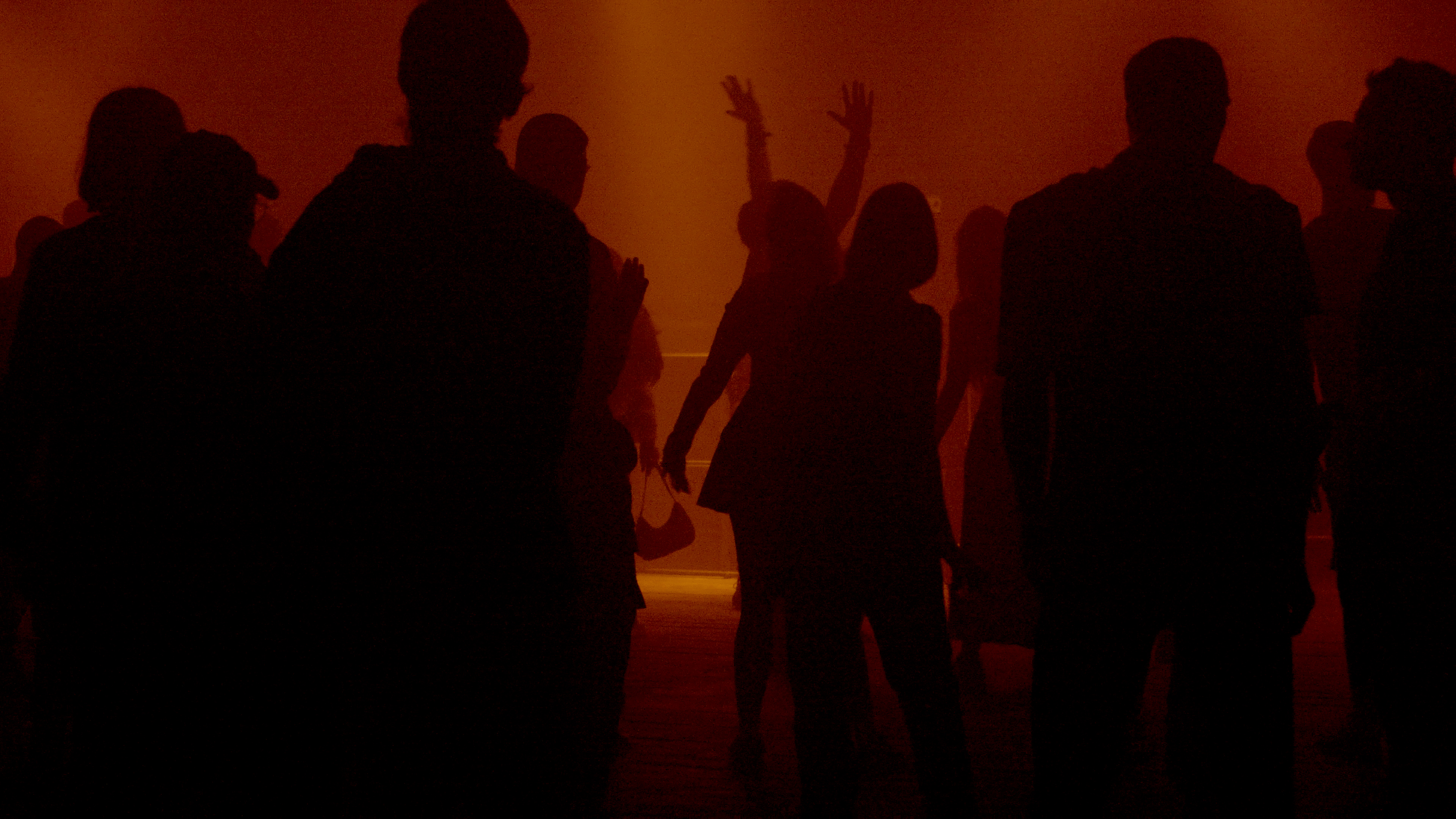
Dedicated to the Youth of the World unfolds as a trilogy that traces shifting forms of ideology, memory, and collective experience across time. In the first part, the film takes its title from Leni Riefenstahl’s Olympia slogan and constructs a video-essay that collides key figures and narratives of 20th-century thought: Nazi ideologue Alfred Rosenberg appears alongside Walt Whitman as an emblem of American democracy, Nietzsche is refracted through Soviet voiceover, and the idea of youth is absorbed into a fashion-brand aesthetic echoing early Soviet visual culture. In the second chapter, the Dovzhenko Film Studios in Kyiv are transformed into Cxema, a rave where the city’s post-revolutionary youth inhabits the space as a site of nocturnal collective ritual, a fleeting experience of freedom that is gently followed into the ambiguous return of daylight. The third part revisits the 2019 rave Cxema under radically altered conditions: re-enacted in Kyiv in September 2023 after the pandemic and the full-scale Russian invasion, it follows a changed group of participants who now inhabit the same space in a different historical reality. The film documents how the gathering persists despite constant threat, and how the idea of a “new day” is redefined in a present shaped by war, uncertainty, and loss, becoming at once fragile and irrevocably transformed.
FEATURE FILM
Arsenal (Ukrainian SSR, 1929, 93 min), by Oleksandr Dovzhenko
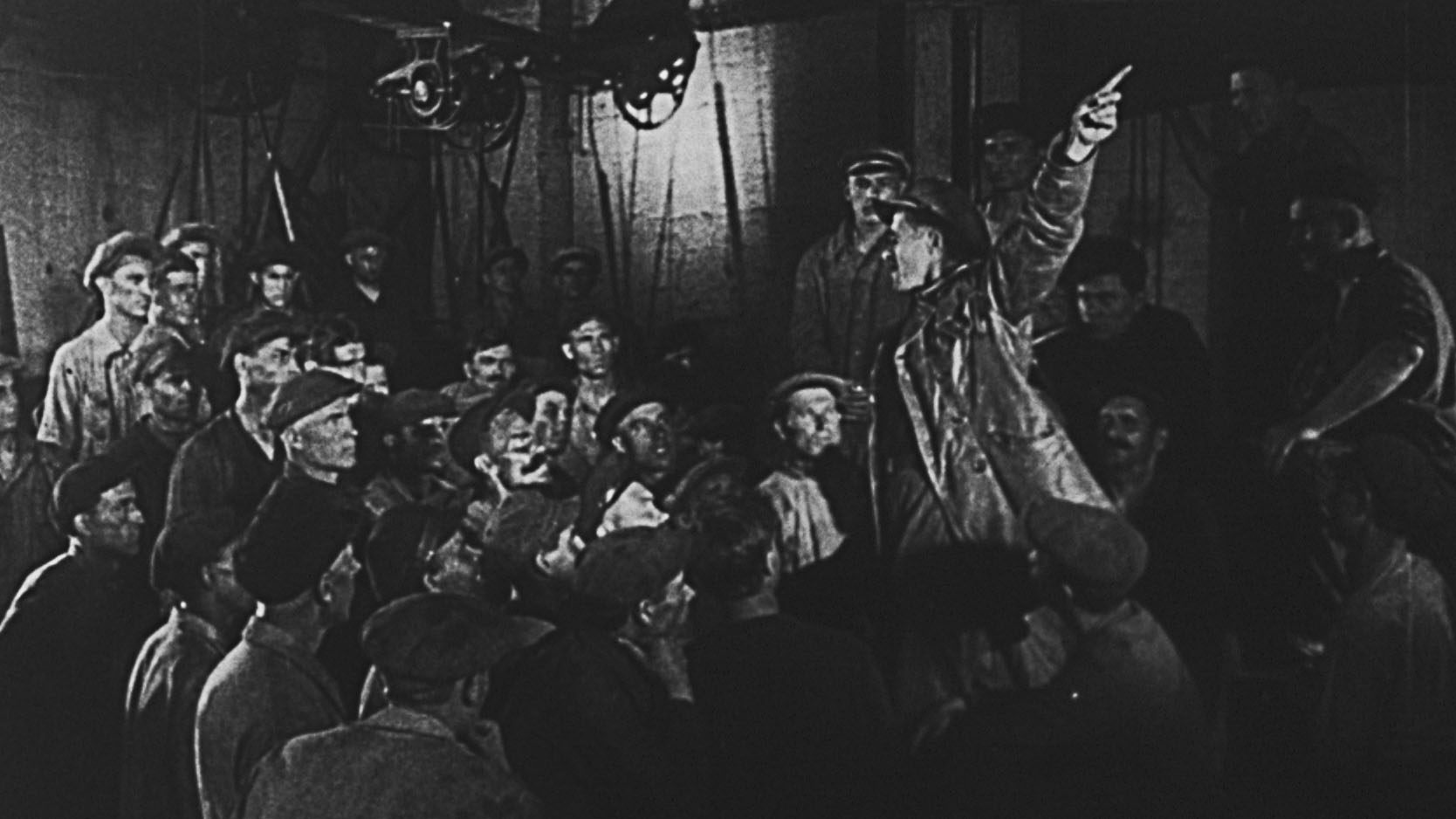
Arsenal depicts the events surrounding the suppression of the uprising at the Arsenal factory in Kyiv by the forces of the Central Council of Ukraine, reworking a moment later shaped by Soviet mythology as an emblem of Bolshevik martyrdom. In contrast to this narrative, the film reframes the conflict as a politically complex and chaotic episode rooted in competing power struggles during the civil war, rather than a unified popular revolt. Guided by ideals of national and social transformation, Dovzhenko places the uprising at the margins of the story, focusing instead on a fragmented, expressive portrayal of war that blends individual experiences with historical upheaval. Through innovative use of lighting, camera work, and editing, Arsenal transcends a single ideological reading, conveying instead a broader, ultimately pacifist reflection on violence and history, and establishing itself as one of Dovzhenko’s most formally ambitious works, which brought him international recognition.