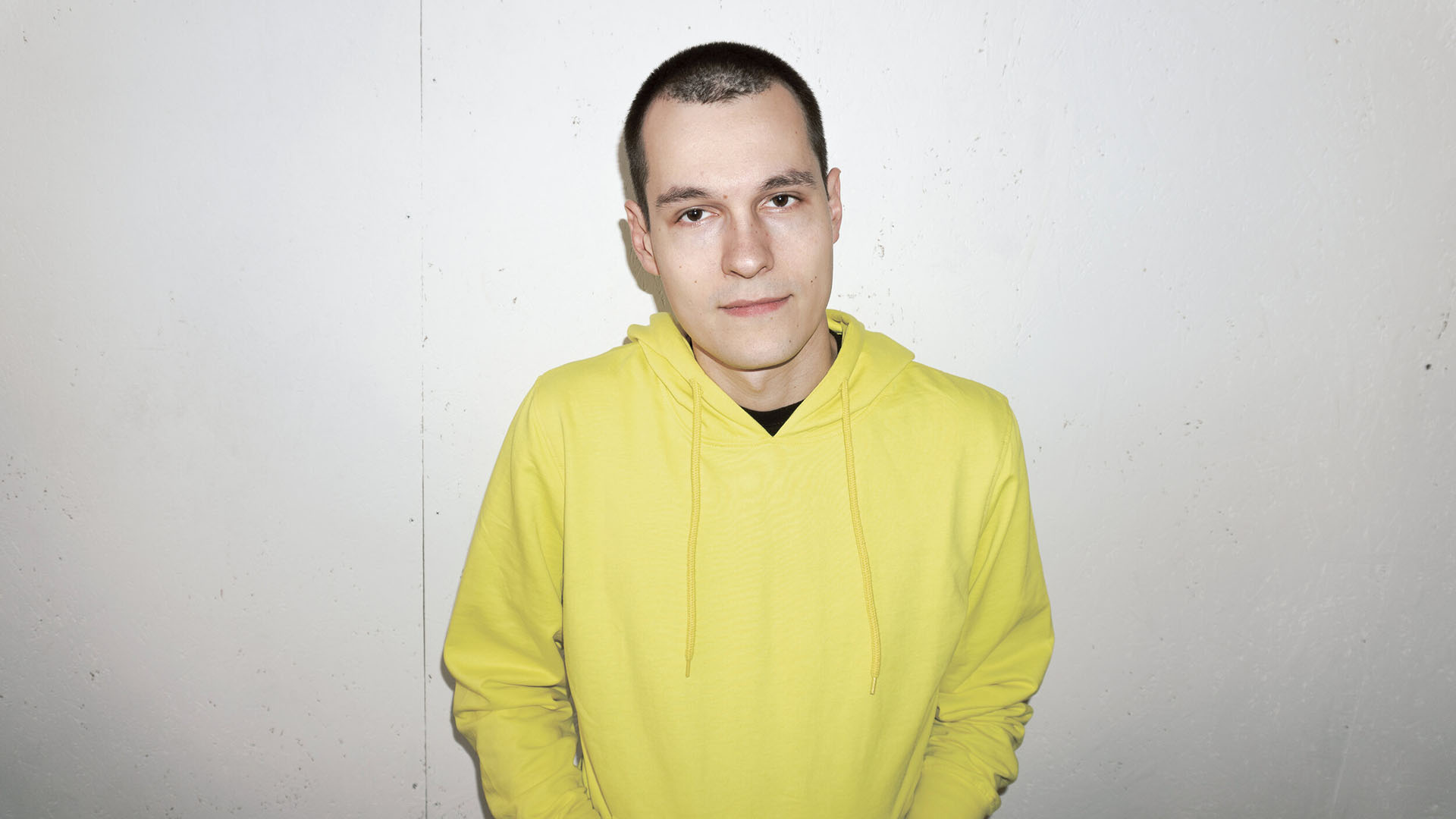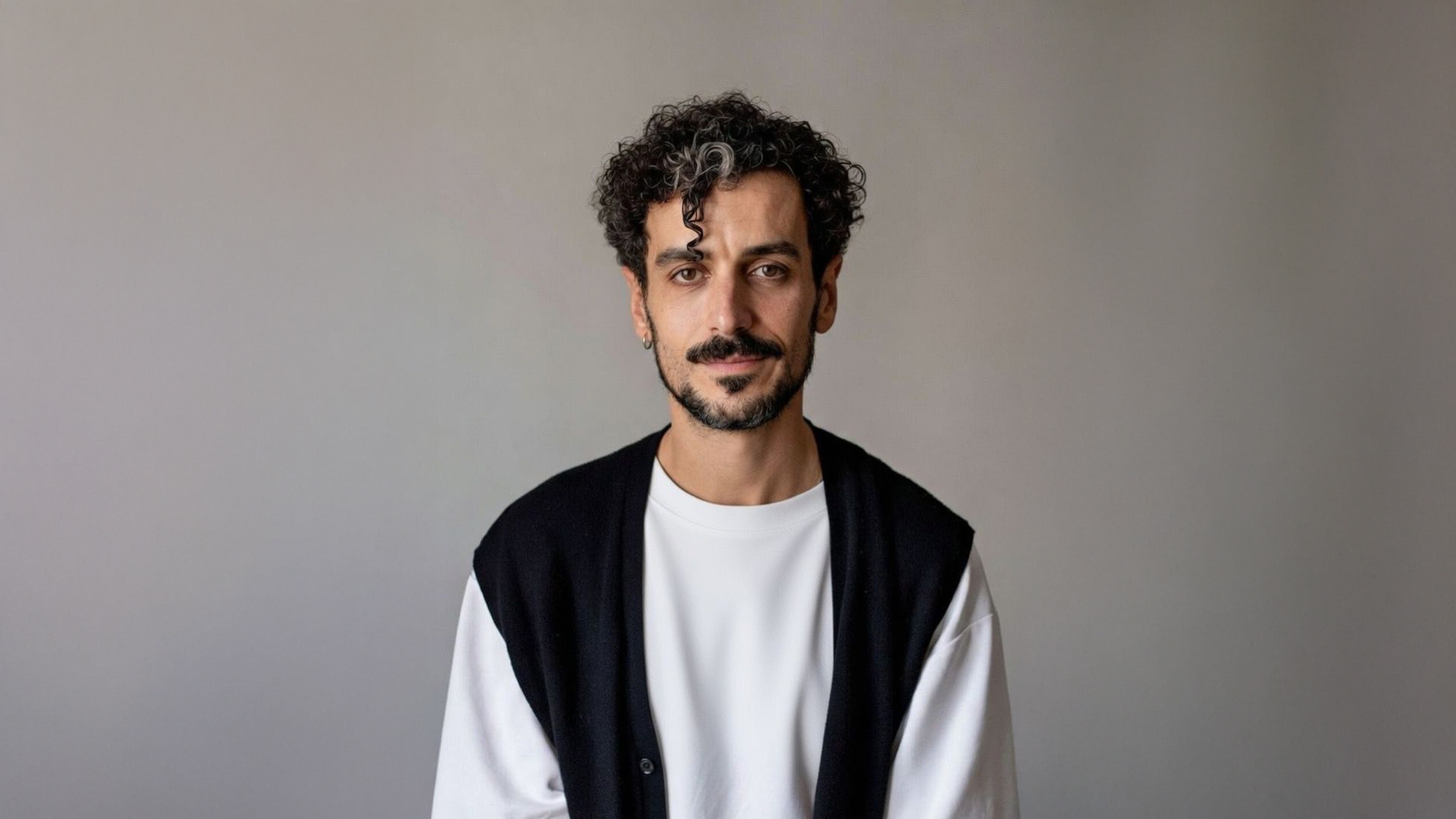

Roman Khimei and Yarema Malashchuk. Pedagogies of War
Exhibition at Museo Nacional Thyssen-Bornemisza, Madrid
3 March – 21 June 2026

Curated by Chus Martínez
Organized by TBA21 and the Museo Nacional Thyssen-Bornemisza
At a time when war is omnipresent and increasingly mediated through screens, algorithmic infrastructures, and remote technologies that sever action from consequence, TBA21 presents Pedagogies of War by Roman Khimei and Yarema Malashchuk, an exhibition curated by Chus Martínez that considers how violence reorganizes perception, conduct, and collective life before it can be fully articulated or understood. Anchored in TBA21’s sustained commitment to peace as a public and political condition, the exhibition does not approach war as a discrete event to be depicted, but as an operative system—one that disciplines bodies, recalibrates attention, and permeates the textures of everyday existence.
Working with audiovisual material, the two artists, recent recipients of the Curatorial Prize at OFFSCREEN Paris, show how daily rhythms and democratic structures fracture under violence and material pressures. Their work exposes the fragility of peace, the aesthetics of emergency, and the uneasy coexistence of forgetting and remembering. Pedagogies of War reminds us that ecologies of conflict (political, emotional, territorial) shape identity as forcefully as geographies do.
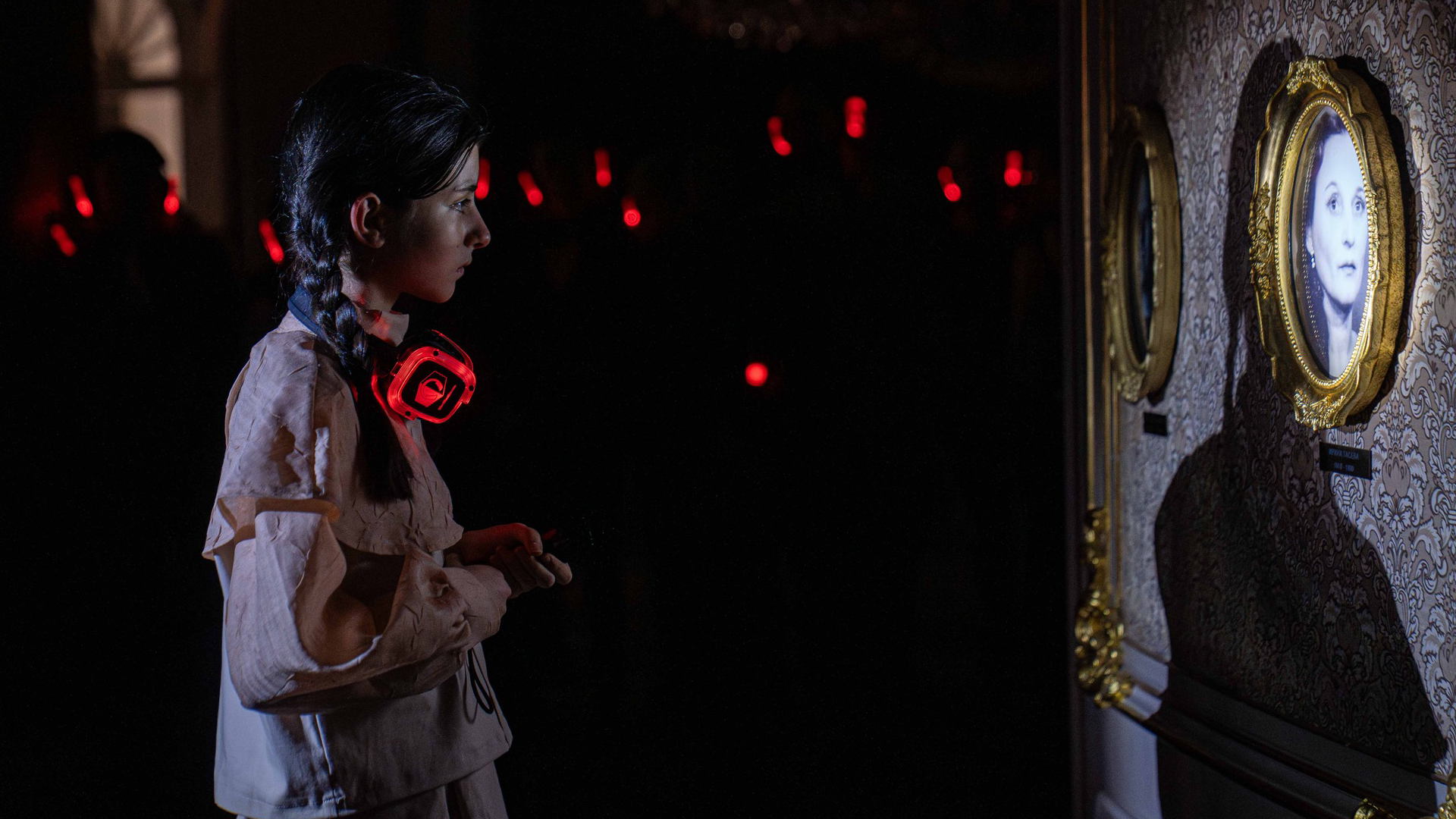
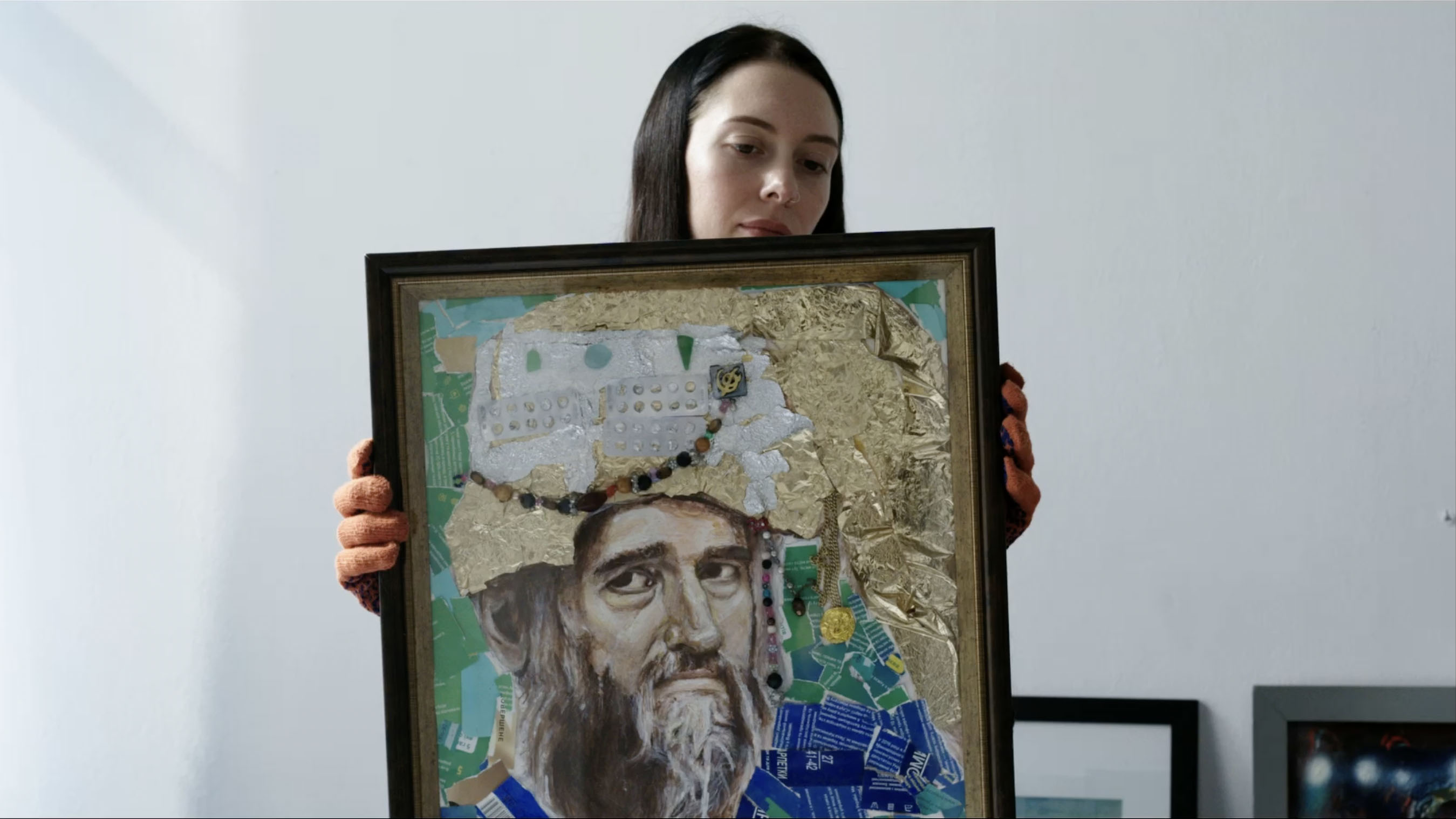
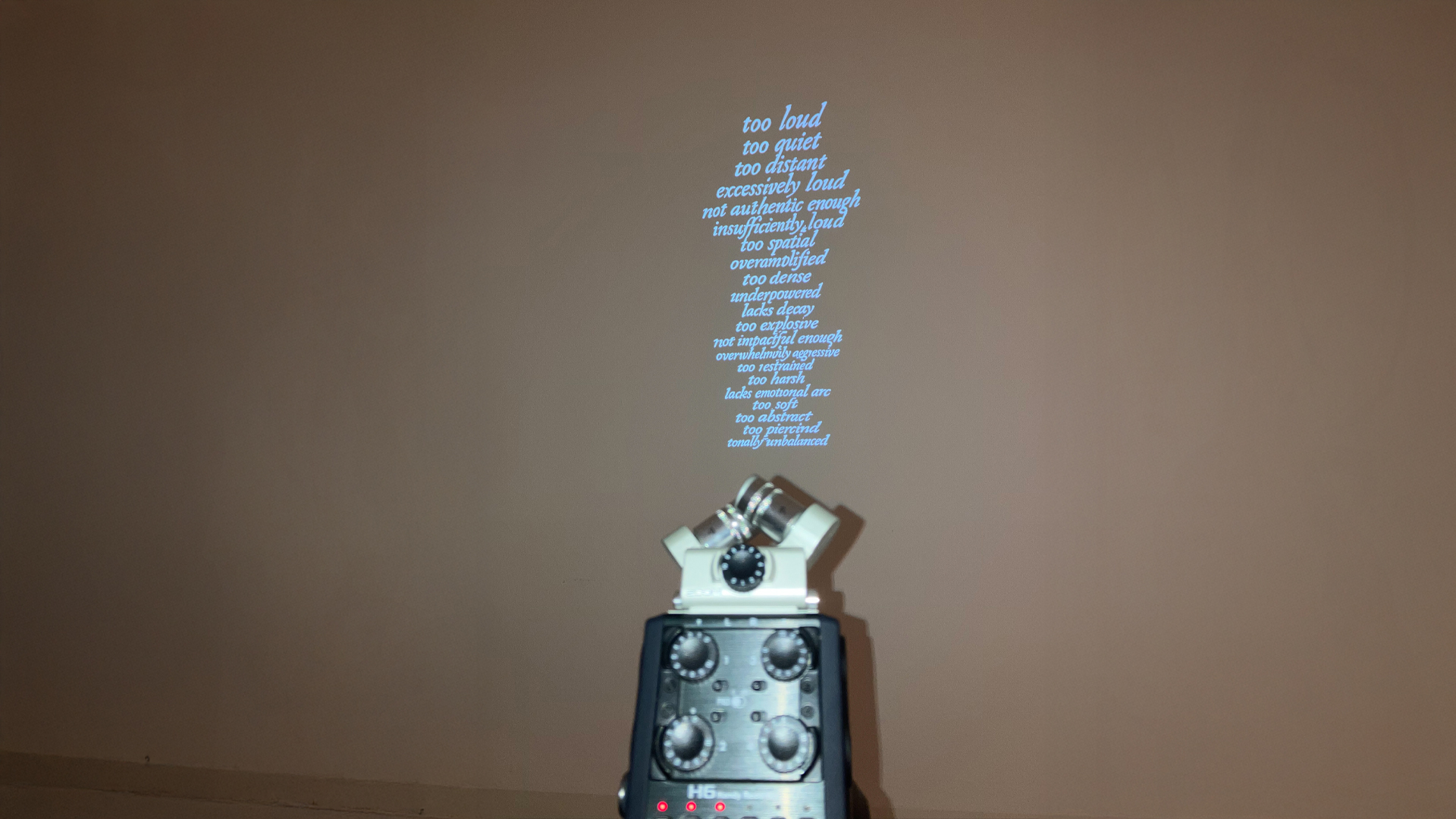
The exhibition brings together four significant works: the newly commissioned Open World (2025), co-produced by TBA21 for the 36th Ljubljana Biennale of Graphic Arts; You Shouldn’t Have to See This (2024), a previous work by the artists; The Wanderer (2022), part of the TBA21 Collection; and a new commission for the Museo Nacional Thyssen-Bornemisza, We Didn’t Start This War (2026).
At the core of Khimei and Malashchuk’s methodology lies an understanding of learning as corporeal transmission. Knowledge circulates through imitation, physical adjacency, and sustained exposure rather than through didactic explanation. Bodies attune to other bodies; machines are trained to replicate animal movement; witnesses observe without intervening. Silence, duration, and tension structure the installations, producing a dramaturgy in which meaning unfolds through sustained attention rather than narrative closure.
Resisting spectacle and the monumental narratives through which war is frequently aestheticized, Pedagogies of War foregrounds lived experience over representation. In doing so, it reinforces TBA21’s commitment to cultivating shared political space—spaces in which subjects appear as equals, and where peace remains conceivable not as abstraction, but as a collective, practiced form of life.
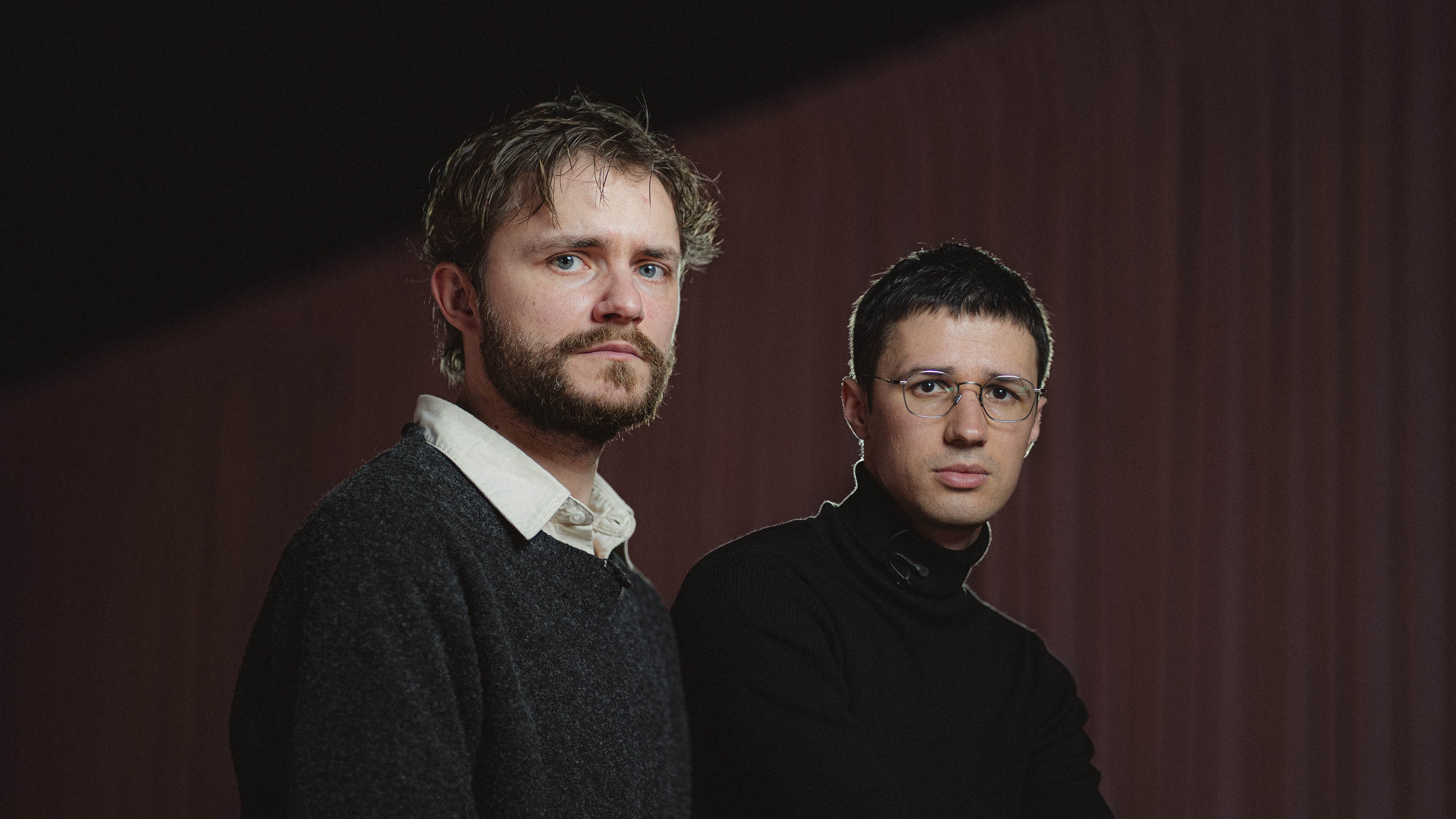
Roman Khimei and Yarema Malashchuk have been working as filmmakers and visual artists since 2016, exploring the intersections of documentary and fiction to engage with Ukraine’s recent history and present. Their work examines the lingering structures of post-imperial power and their impact on a new generation of Ukrainians, caught between historical trauma and an uncertain future. Through multi-channel video installations and cinematic narratives, they capture the fractured nature of reality, where collective memory and personal experience intertwine. The duo’s practice reflects on the role of the extra, the unseen figures of history, and the ways in which individuals navigate shifting political and social landscapes.
They received the main award of the PinchukArtCentre Prize (2020) and the VISIO Young Talent Acquisition Prize (2021). Their recent short film Additional Scenes won the main awards at Tallinn Black Nights IFF 2024 and the Ukrainian Film Critics Award. The duo has participated in the Future Generation Art Prize 2021, Baltic Triennial 14, Gothenburg Biennial, and Kyiv Biennial, as well as group exhibitions at Haus der Kunst, Castello di Rivoli, and Albertinum. They have also presented solo exhibitions at Kunstverein Hannover and Galeria Arsenał, Białystok. Most recently, the Ukrainian art duo have received the Curatorial Prize from the OFFSCREEN Paris art event for their video installation You Shouldn't Have to See This.
Their video works are part of collections at Fondazione In Between Art Film, Kunstmuseum Liechtenstein, Kontakt, TBA21, Frac Bretagne, Museum of Contemporary Art Kiasma, and Museum of Contemporary Art Antwerp, among others. Their most recent installation was presented at Dare to Dream, a Collateral Event of the 60th La Biennale di Venezia 2024.
Yarema and Roman are members of the Prykarpattian Theater, an art group that recently established the project Theater of Hopes and Expectations, which was presented at the Ukrainian Pavilion during Venice Biennale Architettura 2023.
Pedagogies of War is an exhibition organized by TBA21 Thyssen-Bornemisza Art Contemporary and the Museo Nacional Thyssen-Bornemisza, with the collaboration of Fundación Ecolec.
The public program is supported by Filmoteca Española and Ukrainian Institute. Media partners: Radio 3 and NUEBO.
Read the interviews with the artists: NUEBO (Spanish) and NEO2 (Spanish)