
Shadows Above My Window
Ocean-Archive.org digital residency by Robertina Šebjanič

Shadows Above My Window_Mislinja 238 km2 Hydro/Terra/Atmo_Sphere(s) is an ongoing artistic research project exploring rivers, forests, oceans, clouds, and data as interconnected ecological systems. Moving across different geographies, the project investigates how water, atmosphere, and more-than-human life shape one another through environmental change, memory, mythology, and listening.
The project approaches landscapes not as passive environments, but as living, responsive systems that carry ecological, cultural, historical, and geopolitical memories. Through field research, hydroacoustic listening, scientific & community (volunteer fire brigade) collaboration, archival investigation, and digital experimentation, it explores the entangled relationships between human and more-than-human hydro/terra/atmo-worlds.
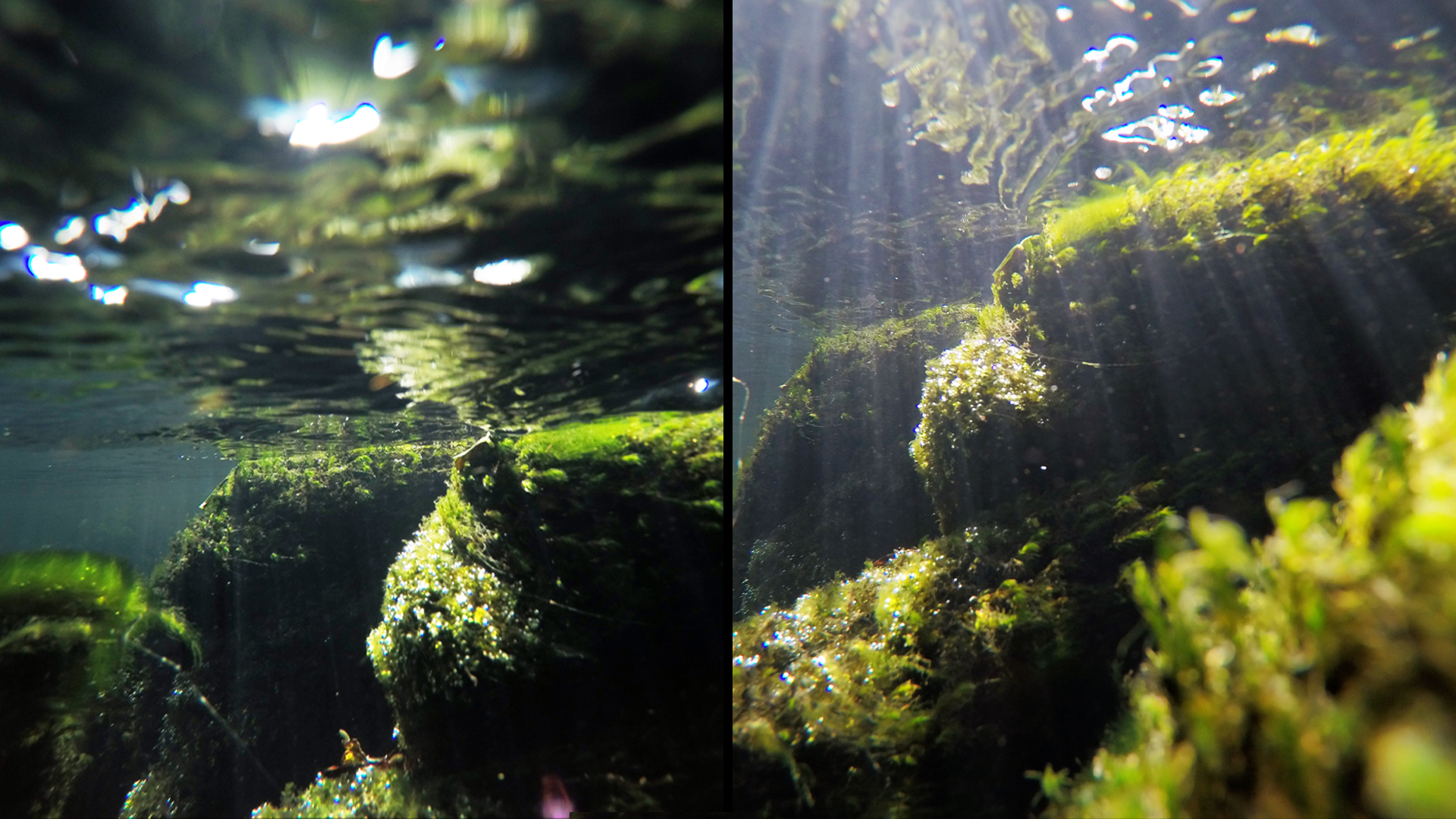
Shadows Above My Window_Mislinja 238 km2
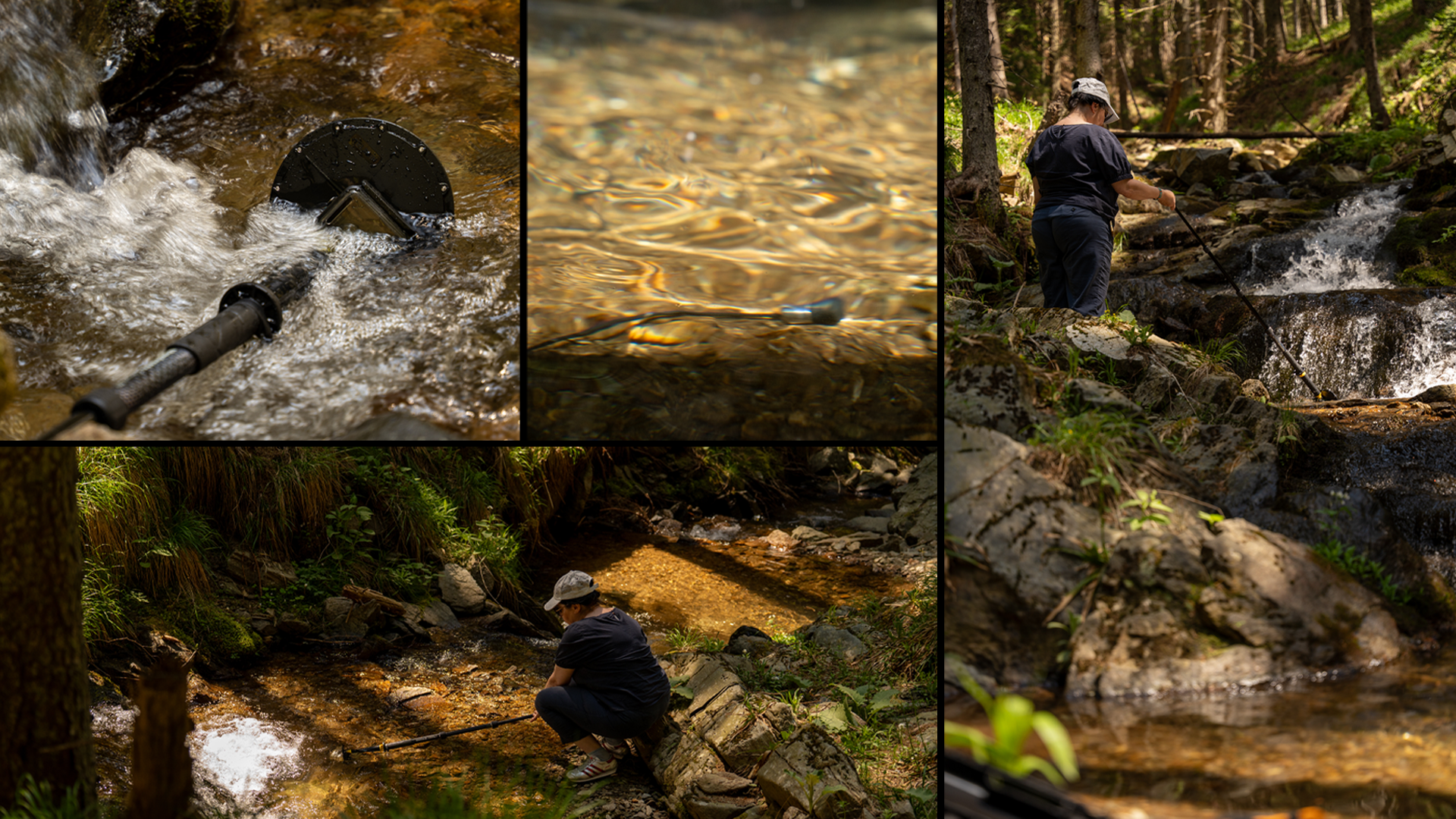
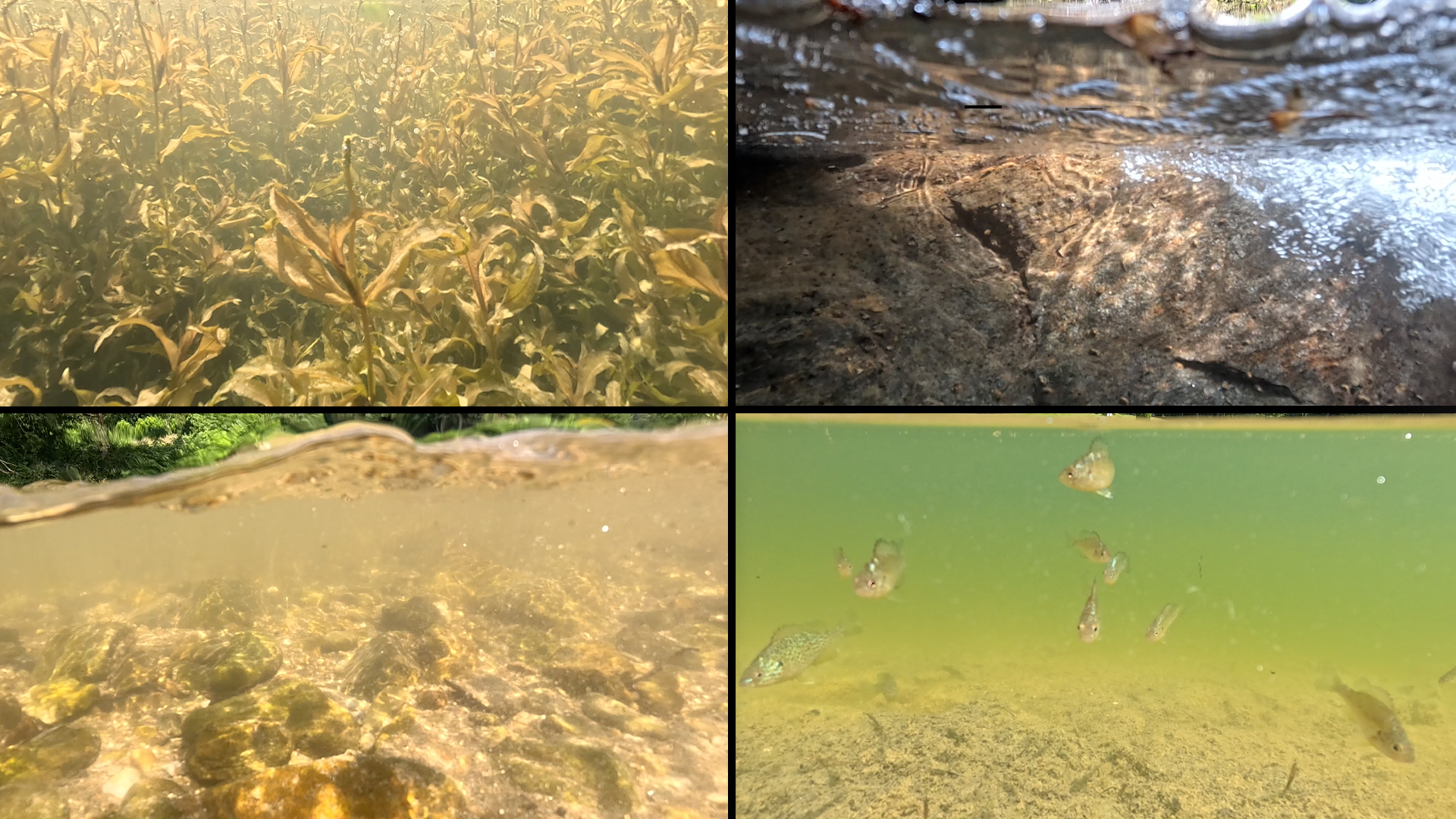
Developed through encounters with the rivers of the Mislinja Basin, their inhabitants, flora, and fauna above, below, and at the surface of the water, as well as with local firefighters and surrounding communities, the project combines ecological measurements, hydroacoustic recordings, archival materials, and situated local knowledge. These diverse forms of knowledge come together to approach the river as a living, memory-bearing entity—a dynamic system that retains traces of environmental change, human activities, and more-than-human interactions.
In this case, listening becomes a method of ecological attention. Hydrophones and field recordings reveal underwater sonic environments, while scientific data and observations provide insight into invisible processes such as changes in water quality, biodiversity shifts, and the impacts of extreme weather events (floods, droughts), and mythology and local stories help connect to specific localities. The resulting sonic and visual compositions translate these hidden ecological dynamics into immersive experiences that invite reflection on freshwater ecosystems and their vulnerability.
In this landscape, ferns appear as symbolic witnesses to slow ecological transformation. In Slovenian mythology, ferns are connected with hidden knowledge, transformation, and midsummer traditions. If the spore of the fern falls into your shoe when walking in the forest on midsummer night ( kresna noč), you could be able to hear the gossip of animals. In the project, they represent terrestrial observers of slow environmental violence, industrial transformation, and changing relationships among forests, rivers, and human communities.
The Mislinja chapter explores the river as a place where ecological histories, local memories, scientific knowledge, and mythological narratives converge - revealing water as both a physical substance and a carrier of collective memory.
Shadows Above My Window_Digital Hydrocommons: Expanding Ecological Relations Through the Online Platform
The second chapter develops from the physical residency into a digital residency and online platform, expanding the research beyond a single geographical location toward a shared ecological space. The digital environment becomes a place where field recordings, scientific data, mythology, stories, and artistic interpretations are interconnected and reconfigured.
This chapter is informed by the concept of the hydrocommons, developed by feminist scholar Astrida Neimanis, which proposes water as a connective force that binds human and more-than-human bodies into shared systems of dependency and responsibility. Moving beyond the understanding of water as a resource or commodity, the hydrocommons framework emphasizes interdependence, care, and collective stewardship. Since all bodies are fundamentally composed of and sustained through water, ecological relations are understood as networks of mutual influence rather than separate entities.
Within this framework, the digital platform becomes a space to explore water as a planetary connector, linking rivers, forests, atmosphere, oceans, data systems, and cultural memories. The online environment gathers materials from the Mislinja research while opening connections toward broader hydrological and ecological narratives.
The project also engages with Slavic mythology as a way of accessing cultural memories embedded within landscapes. Drawing on the interdisciplinary research of anthropologist, classical philologist, and writer Svetlana Slapšak, as well as her work on Slavic mythology developed together with Noah Charney, mythological figures and narratives are approached not as remnants of the past, but as alternative ways of understanding relationships among humans, nature, and unseen forces.
The digital chapter introduces the figure of the Vodník, a water spirit from Slavic mythology associated with rivers, ponds, and mills, as a speculative presence representing the hidden agencies, histories, and transformations carried by freshwater systems. Through this figure, the project explores how cultural narratives can become tools for reimagining ecological relationships. The platform integrates soundscapes, environmental data, visualizations, storytelling, and interactive elements to create a space where scientific research and artistic imagination meet. It extends the question posed by the Mislinja River: how can we listen differently to the environments that sustain us?
Where the River Loses Its Name: Toward a Wider Hydro/Terra/Atmo_Sphere
The work continues from freshwater ecosystems toward other interconnected environments. Extending the research into the hydrological landscape through the figure of the Vodník. The final chapter, Where the River Loses Its Name, expands toward the Mediterranean, connecting rivers with coastal and marine ecologies while tracing the continuities between freshwater, atmosphere, and the sea.
Across all chapters, listening functions as a situated ecological practice of care and attention. By attuning to plants, waters, atmospheric processes, animals, and human infrastructures, the project reveals landscapes as dynamic environments shaped by extraction, industrialization, climate change, and planetary transformation. Sound becomes both a research method and a medium for witnessing the entangled lives of human and more-than-human worlds, opening possibilities for new ecological imaginaries, forms of coexistence, and renewed relationships with the waters that connect all living systems.
Shadows Above My Window_Mislinja 238 km2 is co-produced by TBA21–Academy, the Museum of Modern and Contemporary Art Koroška (KGLU), Slovenj Gradec (SI), and Institute oN Rizom, Ljubljana (SI), and supported by Ars Biologica (Budweis 2028, CZ).