
A travel agency 'hacking' mass tourism or a 'will' for artworks: these are the Organismo 2026 prototypes


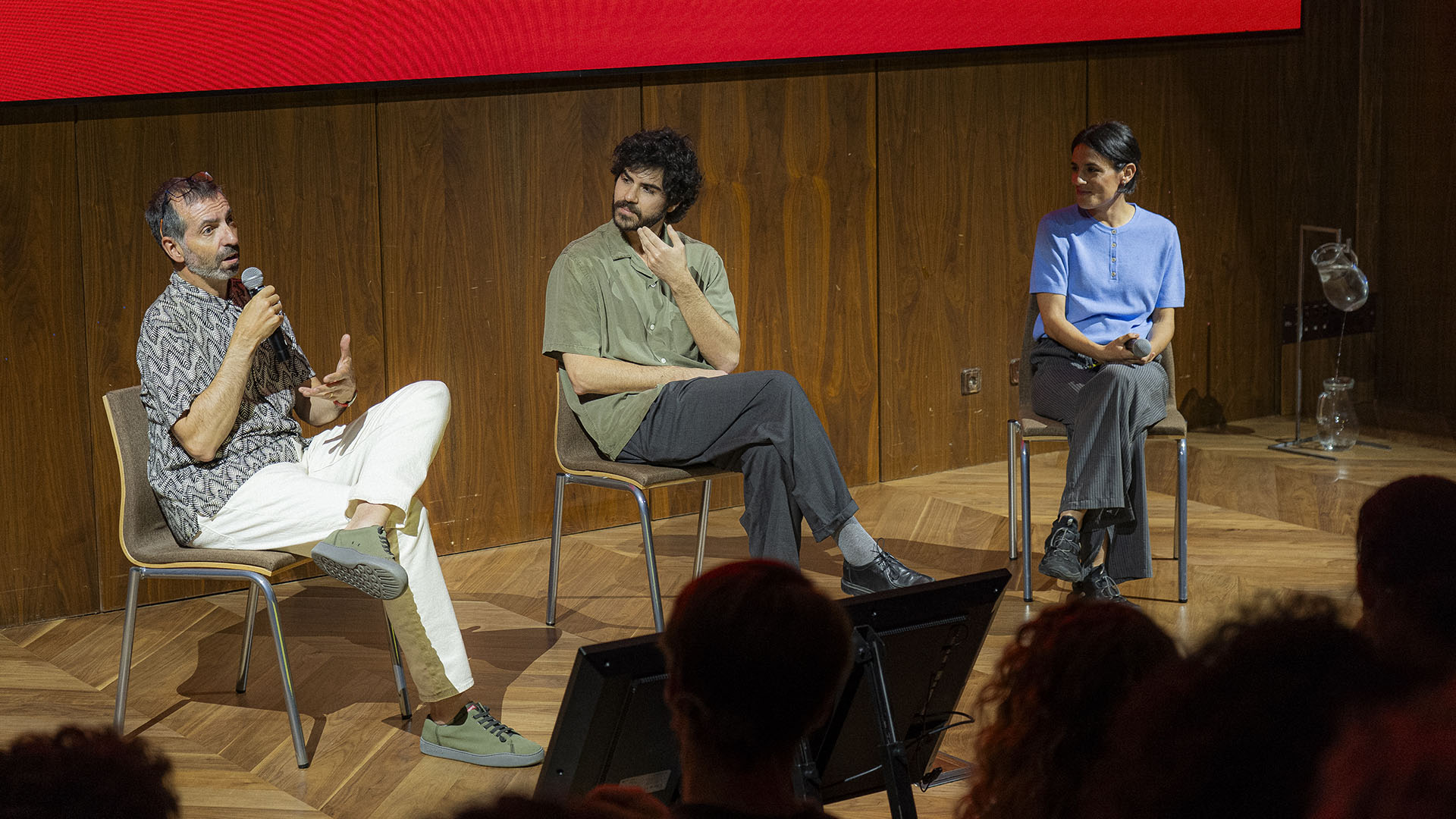
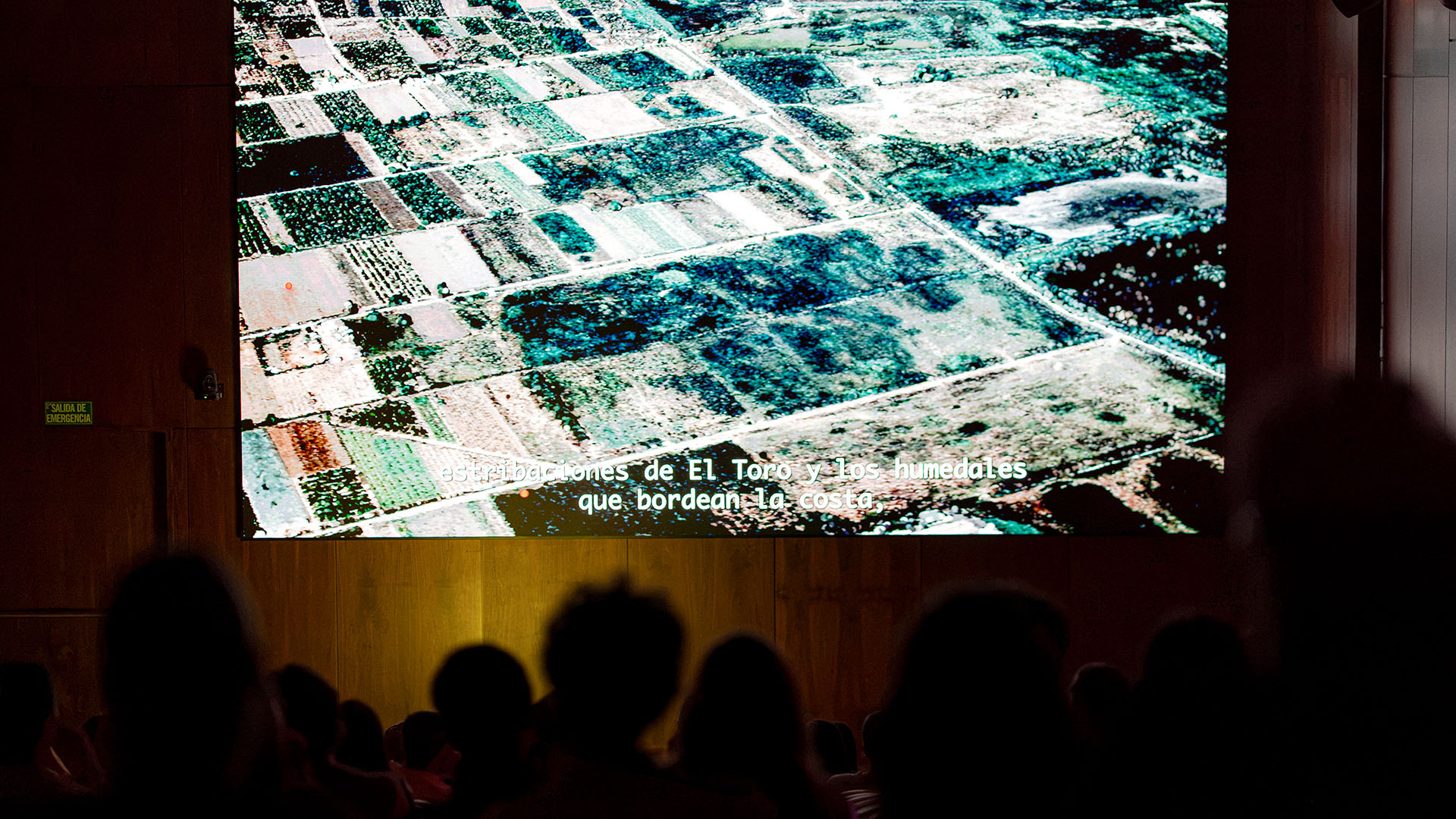
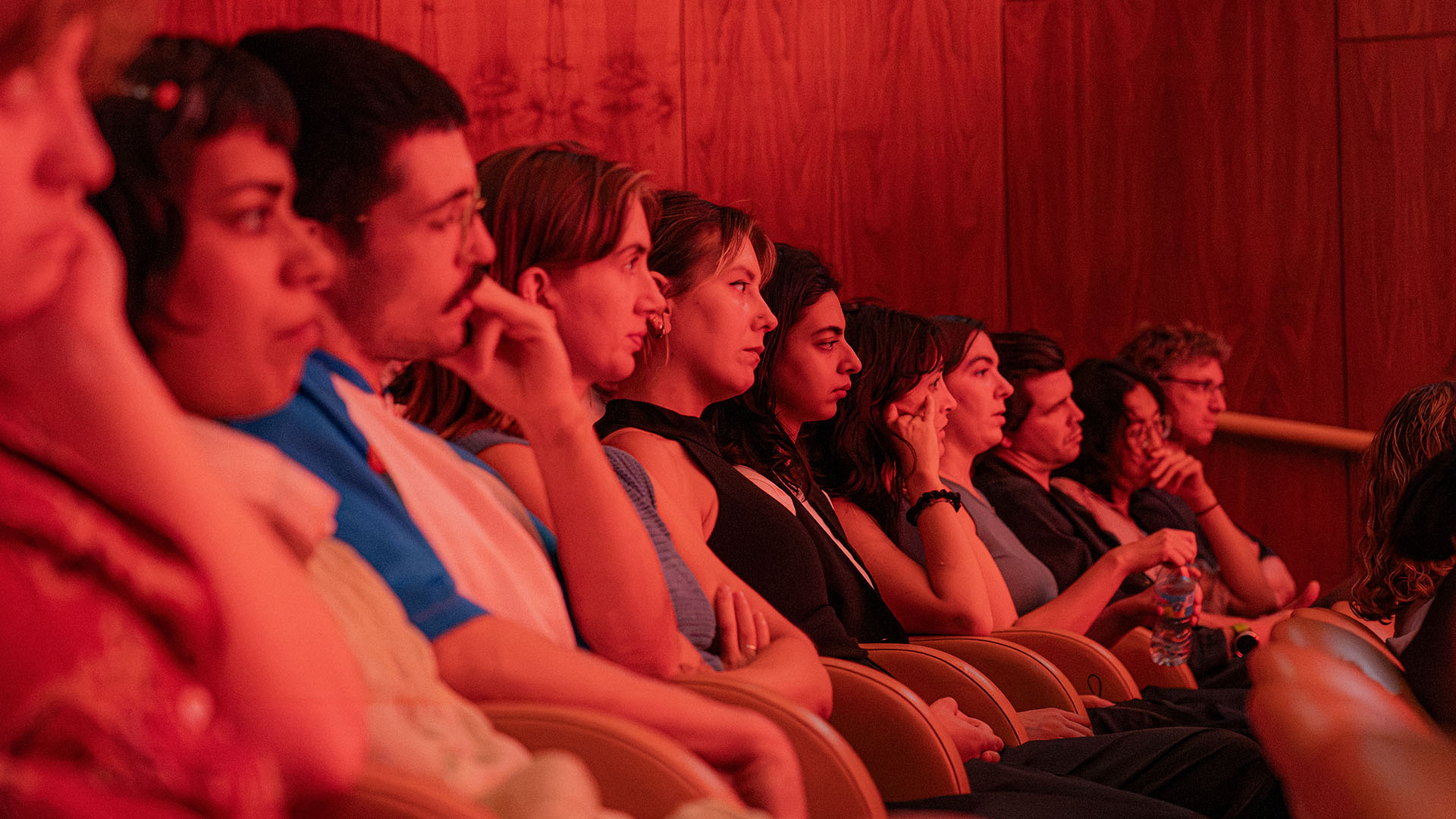
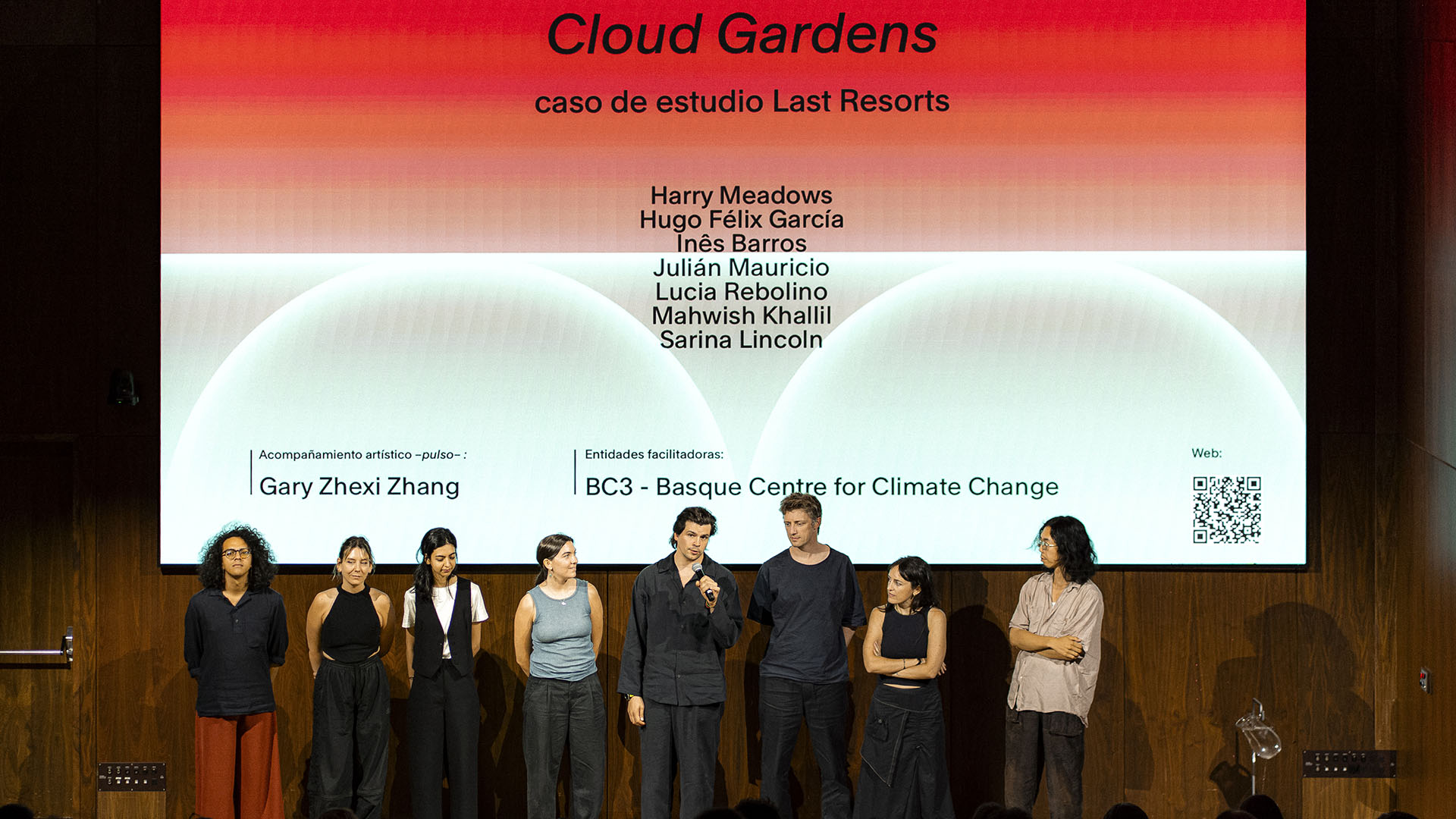
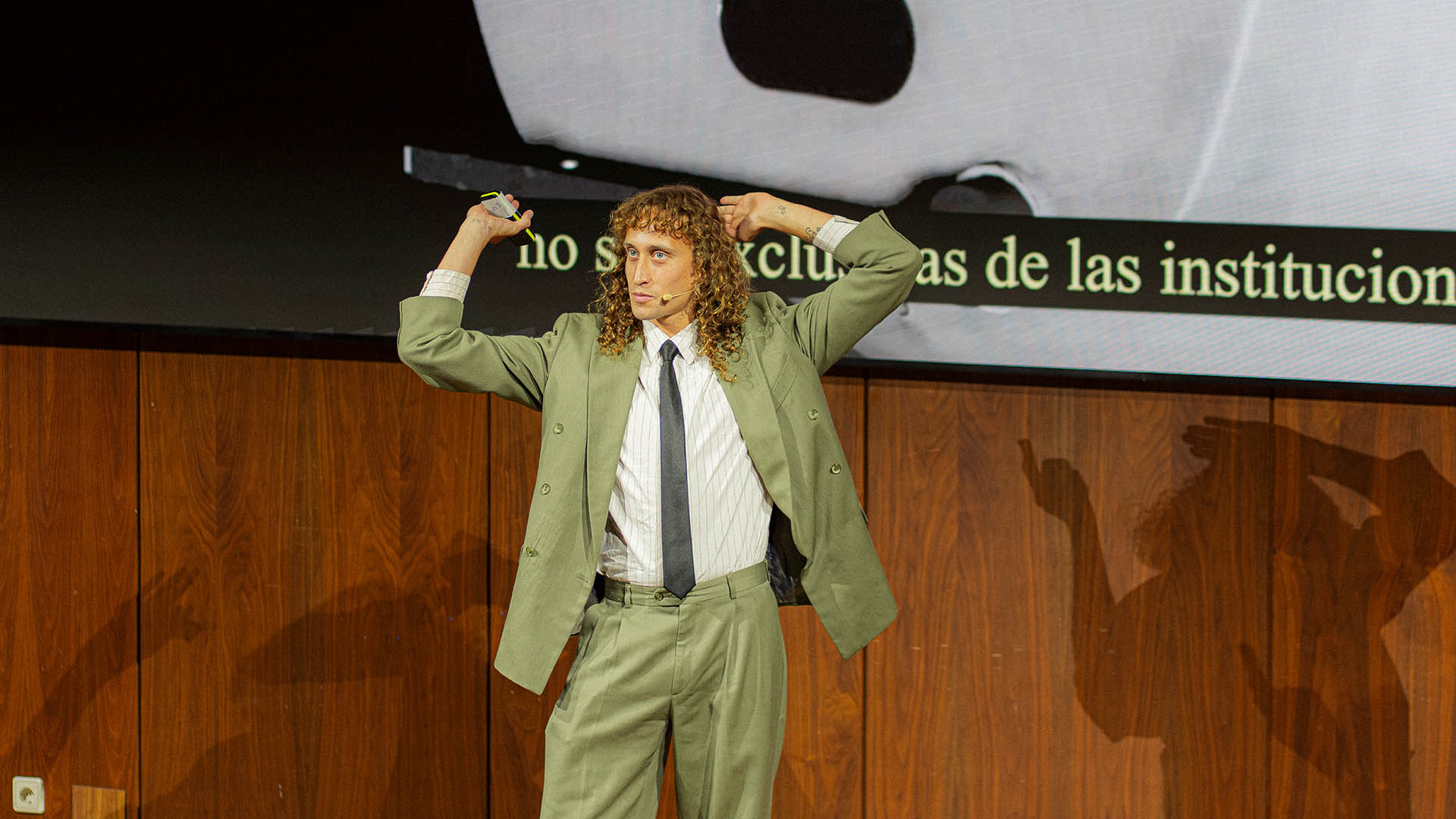
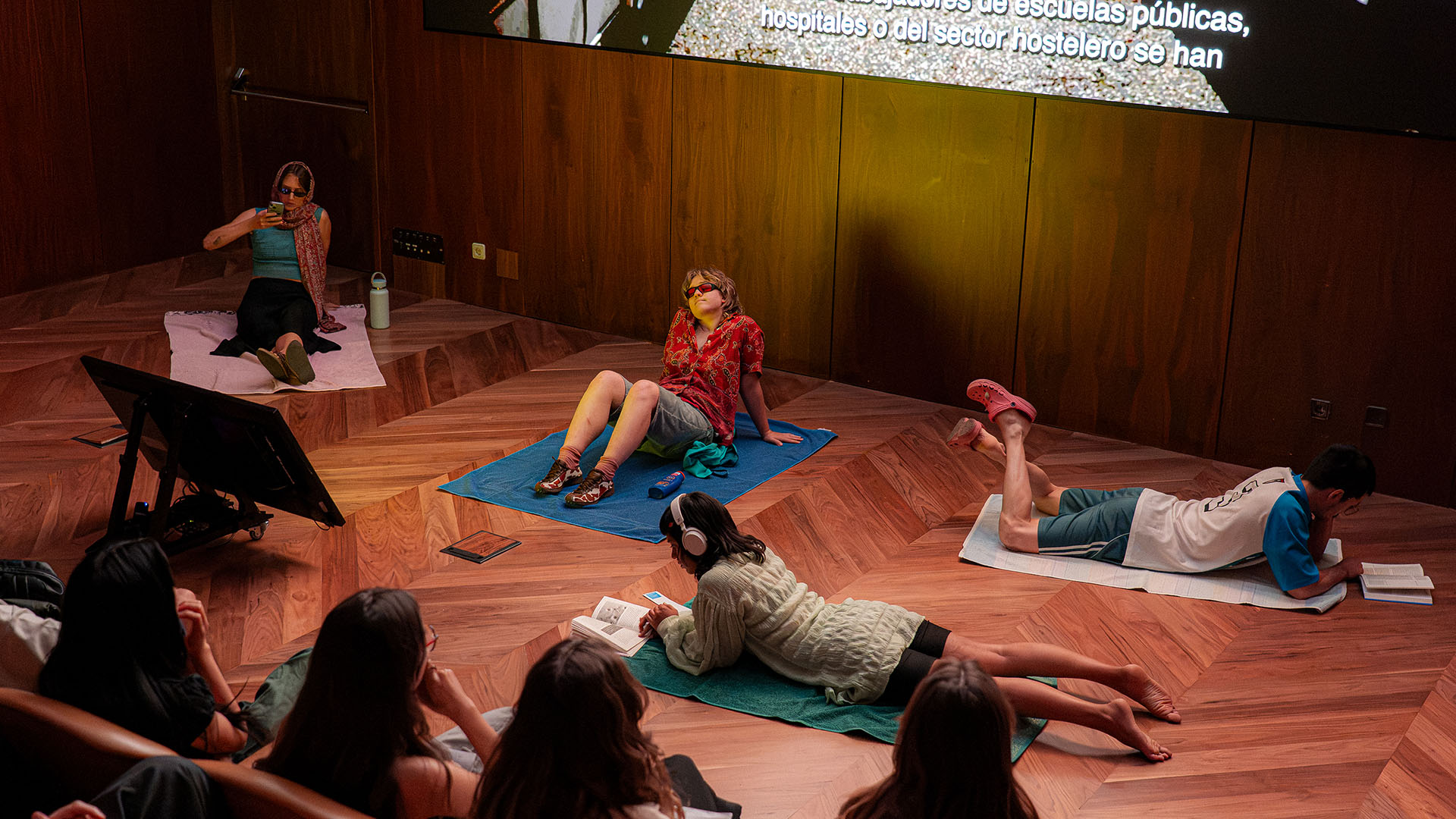
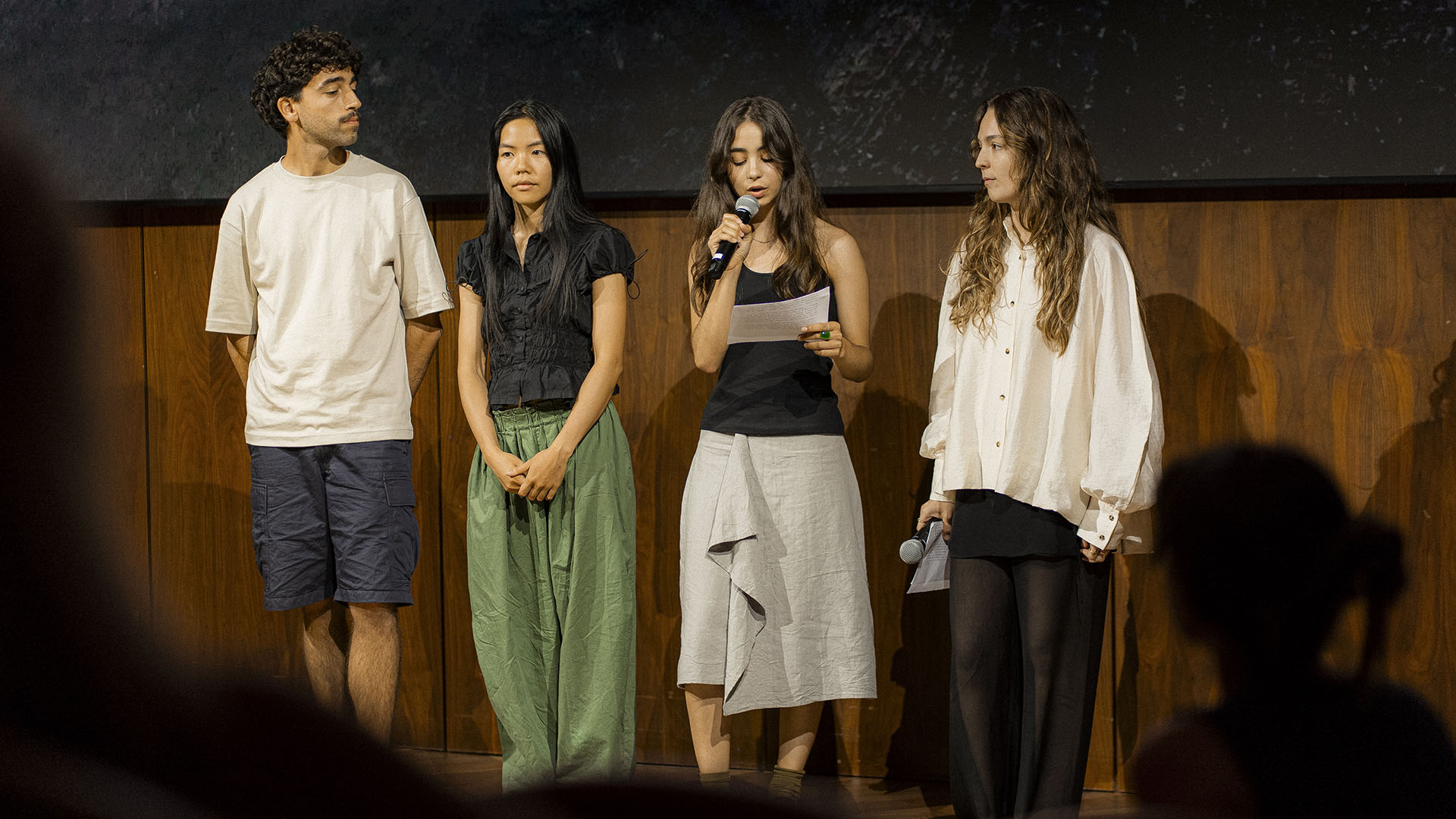
The creation of a ‘Post-Tourism Travel Agency’ to socially and culturally 'hack' the infrastructures of mass tourism in Mallorca, or a 'will' in which artists record their last wishes so that their works are not forgotten in storage — these are two examples of the prototypes resulting from the Organismo 2026 program. After six months of collective work, the 38 multidisciplinary researchers from the applied research program organized by the Museo Nacional Thyssen-Bornemisza and TBA21–Academy have presented the five case studies they have been developing to address some of the most urgent socioecological challenges of our time. All of them are now available online.
Every year, this applied research program presents the resulting prototypes, created to rethink the role museums can play as social agents of transformation. In the words of Eduardo Castillo-Vinuesa, director of TBA21–Academy: "beyond its function as a space for conservation or exhibition, Organismo understands the museum as a civic space capable of driving new forms of research, experimentation, and collective action from which to test alternatives to contemporary challenges."
Among the results of the 2026 case studies is also the creation of a 'cloud garden', designed using tools employed in video games to promote the stability of the hydrological cycle in Valencia, an area vulnerable to extreme phenomena such as DANAs (‘Depresión Aislada en Niveles Altos’ or cold-drop storms) or long-term desertification; a digital, participatory platform to manage and defend the communal woodlands (‘montes vecinales en mano común’) of Galicia, a region affected by mining, wildfires, and industrial forestry; and the development of a protocol that 'humanizes' and brings transparency to museum surveillance systems, which will be presented to the International Council of Museums (ICOM) as a response to how digital technologies and media systems shape —and distort— our shared understanding of reality.
Artists' 'will' for their artworks
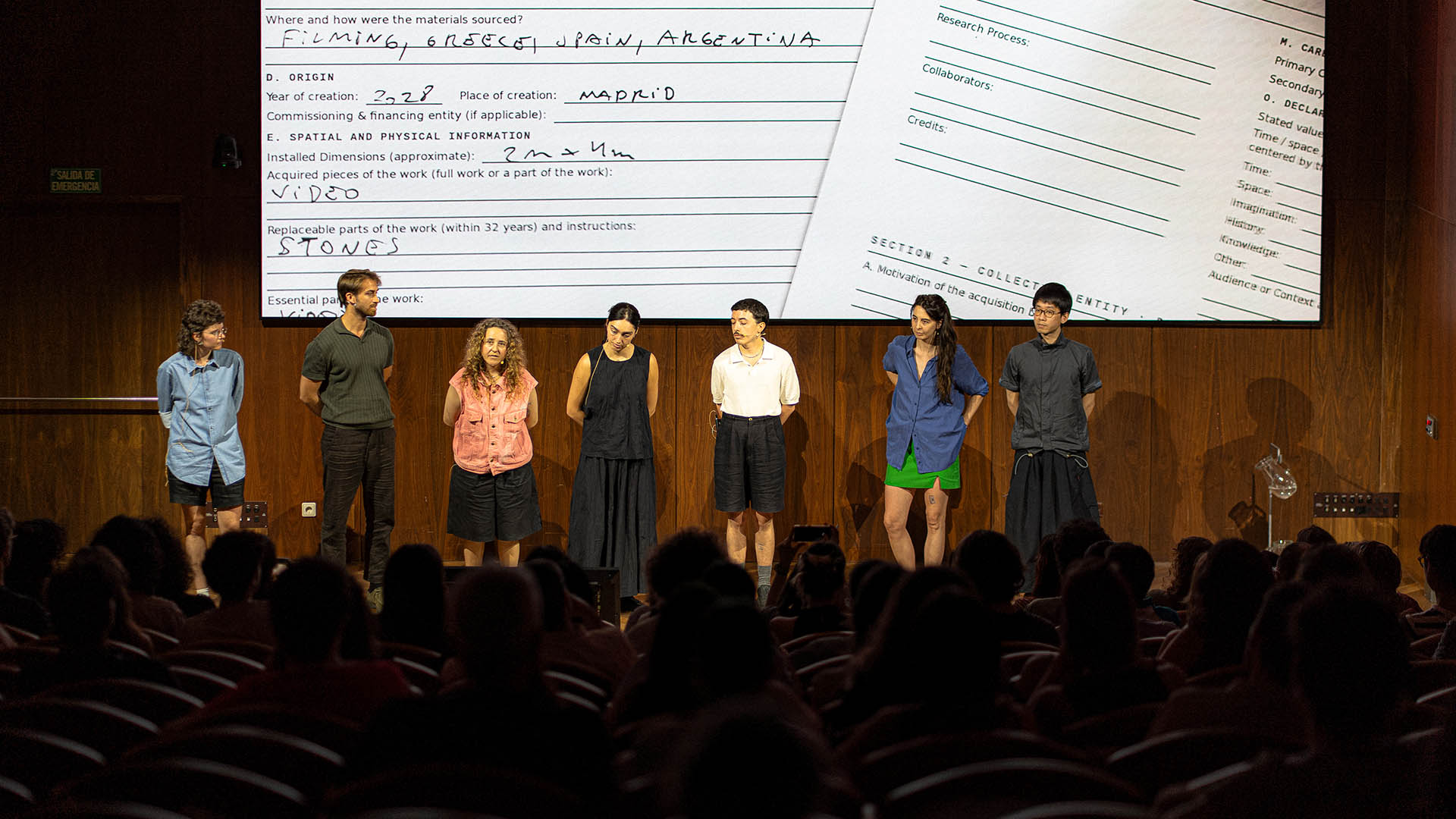
The Premium Stuff case study was facilitated by the TBA21 Foundation in collaboration with Hangar, centre de producció i recerca, with Andrea Muniáin as the case study’s artistic companion. The team investigated the infrastructures and storage logics of art collections and their influence on the value of the works. The project took as its starting point the fact that the average time a work circulates in exhibition spaces before being placed in storage is 15 years. From that point on, works accumulate indefinitely, generating issues of space and energy resources with ethical implications regarding the deprivation and value of what remains invisible.
Faced with this situation, the research team proposes creating the Eternal Transitory Protocol, a prototype for collecting artists' wishes regarding their works 15 years after acquisition. This tool, currently tested within TBA21–Academy, consists of three devices. The first is an acquisitions manual that incorporates long-term responsibility for the works. The second is a legal document in which the artist defines, at the time of commission, what should happen to their work after 15 years: from its destruction or donation to centers in underprivileged areas to the reuse of its materials. The third is a web database that functions as a memory tool, allowing collections to visualize how many works remain unexhibited and flag the risk of being forgotten in storage.
For more information, read the white paper HERE.
Explore the prototype HERE.
The travel agency that 'hacks' mass tourism systems
The case study Planetary Theatre of Tourism, with Grandeza Studio as artistic companion and facilitated by Fundación Casa Planas. Imagen y Turismo and Casa de la Arquitectura, in collaboration with the CRIGUST research group of the University of the Balearic Islands, investigated global tourism as a terraforming system that turns entire landscapes into stages for consumption while concealing its social and environmental costs. Taking Mallorca as a laboratory, the research explored alternative forms of leisure based on ecological repair, reduced productivity, and new forms of hospitality.
In response to this challenge, the research team proposes establishing the POTRA Post-Tourism Travel Agency (Post-Tourism Travel Agency), which reclaims the tools of the tourism industry—packages, itineraries, booking platforms, and promotional language— and turns them into tools for transformation in the face of mass tourism. With the participation of artists, activists, architects, scientists, and researchers, POTRA addresses the eco-social conflicts arising from overtourism and proposes post-tourism packages designed to collectively test alternative, environmentally respectful ways of resting and disconnecting. These are small actions that individual citizens can take to socially and culturally 'hack' the system; one example of an excursion organized by POTRA would be planting a protected palm tree species at the entrance to an overcrowded cove, preventing both its felling and access to the beach.
For more information, read the white paper HERE.
Explore the prototype HERE.
A digital model for 'growing clouds' in Valencia
Meanwhile, the team behind the case study Last Resorts, with artistic guidance from Gary Zhexi Zhang and developed in collaboration with the BC3 Basque Centre for Climate Change, explored how ecological imaginaries gain importance in times of deep uncertainty. Over six months, their research focused on analyzing how imaginaries about the climate future—whether optimistic or catastrophic, such as cold-drop storms (DANAs)—influence the decisions made today. The project analyzed climate forecasting models, risk management, and preparedness policies across the Iberian Peninsula, questioning who these futures are designed for and who they leave out.
In response, the researchers in this case study propose developing Cloud Gardens, a grassroots geoengineering initiative that takes the Palancia river valley in northern Valencia as a pilot—an area where BC3 has been conducting research for some time. After conducting fieldwork to initiate conversations with all stakeholders, the project developed a 3D digital visualization platform for the territory. This tool was created using game engine technology, used in video games, to display all the projects and stakeholders that are part of the valley. These include pioneering initiatives such as planting holm oaks and oaks whose roots have been inoculated with truffle fungus to make the territory economically sustainable, as well as nest designs for ospreys—an endangered species—developed with the knowledge and involvement of local stakeholders. The goal of this digital modeling, which will traverse the territory from a drone's-eye view, is to foster the exchange of ideas and practices through a digital platform. It offers examples of pioneering plans already in operation that help stabilize the land-atmosphere hydrological cycle through land-use planning and cloud formation via evapotranspiration, thereby helping prevent extreme phenomena such as DANA events and long-term desertification.
For more information, read the white paper HERE.
Explore the prototype HERE.
A digital atlas to defend Galicia's communal woodlands
The case study Florestania, with Paulo Tavares as artistic advisor and facilitated by the Centro de Arte Fundación María José Jove in collaboration with the Fundación Montescola, worked on collective land governance and ecological regeneration in Galicia, a community marked by the expansion of industrial forestry, wildfires, and tensions arising from various mining projects. Inspired by the idea of ‘forest citizenship’, the project explored how communal land-care practices can contribute to environmental justice, memory, and territorial restoration. One example the researchers encountered firsthand during their fieldwork is the eucalyptus-removal brigades, an environmental volunteering initiative that promotes the removal of eucalyptus trees to help native forests and biodiversity recover. The research's starting hypothesis was that communal woodlands (‘montes vecinales en mano común’) can act as a safeguard against intensive natural resource extraction models in a context marked by rural abandonment and pressures stemming from mining projects, initiatives linked to the exploration and extraction of minerals—including rare earths—and the rollout of energy infrastructure.
Given this scenario, the research team developed The Atlas of the Commons Assembly, a participatory digital platform designed to support the defense, documentation, and long-term management of Galicia's communal woodlands. The web-based tool is structured around two interconnected layers: a base map with institutional data on natural resource extraction infrastructure and other environmental pressures, and a community layer based on situated knowledge that integrates interwoven cartographies, forensic visualizations, and audiovisual testimonies. Through workshops with woodland communities, the Atlas will generate new forms of documentation and territorial evidence—from remapping boundaries to reconstructing archives—aimed at strengthening collective decision-making and contributing to the protection of these communal territories. This prototype was created to serve as a living archive of the territory, progressively expanded through a series of case studies.
For more information, read the white paper HERE.
Explore the prototype HERE.
The museum surveillance camera as a laboratory of reality
Finally, The End of the Real analyzed how digital technologies and media systems influence our shared understanding of reality. With Domestic Data Streamers as artistic advisor, and facilitated by the Museo Nacional Thyssen-Bornemisza in collaboration with the Observatorio Complutense de la Desinformación and Retina, the project developed forensic analysis tools to examine algorithms, echo chambers, and data-driven narratives that influence public opinion and political discourse.
The research team started from the premise that the idea of reality is not disappearing but is continuously produced through infrastructures, technologies, algorithmic mediations, and institutional decisions that remain invisible. To deepen the research, they took museum surveillance cameras as a concrete, everyday object of study. From the moment a visitor is captured by a camera to the instant a behavior is identified as anomalous and handled as such, a complex chain of technical, institutional, and human decisions unfolds, usually operating in opacity, as if it were a black box. The result is Common Realities in Common Museums, an interactive website that maps this chain and makes it legible, calling for a transformation of museum protocols and proposing security staff as mediators capable of explaining how these systems work and recognizing their role within them. The prototype is accompanied by an open letter addressed to Spanish museums, inviting them to become spaces for public education on surveillance, artificial intelligence, and digital rights, with specific requests regarding transparency, recording notices, and access to information. The proposal will be presented to the International Council of Museums (ICOM) with the aim of inviting the organization to incorporate this protocol into its best-practice recommendations.
For more information, read the white paper HERE.
Explore the prototype HERE.
What is Organismo 2026
Organismo is an applied research program that combines art, research, and civic engagement to respond to today's ecological and social challenges. It is a joint initiative of TBA21–Academy and the Museo Nacional Thyssen-Bornemisza that, on an annual basis, works with artists, researchers, institutions, and local communities to develop situated responses to the most urgent planetary challenges.
In the words of Eduardo Castillo-Vinuesa, director of TBA21–Academy: "Organismo is not a residency, nor an incubator, nor a think tank, although it takes elements from all of them to test a new institutional model. Its applied dimension is essential, since each case addresses planetary problems from situated contexts, in collaboration with partner institutions that have real capacity to act. We seek innovative responses that cannot emerge from conventional academic frameworks, and to redefine what cultural institutions should do at a time when many inherited structures fail to keep pace with the accelerated eco-social transformations that define our era."
Over six months—from January to June 2026—Organismo was structured around five case studies and a cross-cutting theoretical program. Through an open international call, a total of 38 researchers from different disciplines were selected to form five interdisciplinary work cells, each guided by an artistic leader, referred to within the program as a pulse. The researchers participated in a hybrid format that combined weekly online sessions with three in-person residencies. Throughout the process, they collaborated with an extended network of experts, cultural institutions, scientists, and civic organizations, ensuring constant connection with real-world contexts.
'Critical Encounters' with Keller Easterling and Ben Ditto
The program opened with Permanent Collapse Committee, an intensive three-day gathering designed by La Cuarta Piel. Through workshops, simulations, and collective exercises, the researchers explored how societies can think and act in contexts of ecological and infrastructural instability.
The program was also supported by Critical Encounters, a series of online conversations that were open for registration. The sessions brought together the artistic advisors with invited thinkers and professionals—including Keller Easterling, Fernando Domínguez Rubio, Aslak Aamot Helm, Patricia Reed, Ben Ditto, Imani Jacqueline Brown, and Chus Martínez—to establish a shared conceptual framework centered on infrastructure, ecology, and collective action.
The program of Organismo included a public activity as well: Commission for Crimes Against Reality. The event, linked to the case study The End of the Real, was led by architect and researcher Uriel Fogué, who proposed an experimental format that turned a public conversation into a simulated political-judicial device. Participants included political scientist Máriam Martínez-Bascuñán, Loreto Corredoira, director of the Observatorio Complutense de la Desinformación, and poet Gabriel Ventura.
Through this combination of disruptive research, experimentation, and public exchange, Organismo 2026 has positioned itself as a living platform that seeks not only to make eco-social conflicts visible but also to test new ways of acting within them.
Organismo 2027
Following the presentation of the Organismo 2026 prototypes, a panel of expert judges will spend the summer evaluating the feasibility of each one to determine which prototypes can move forward into an implementation phase. Additionally, a new public call will open in October to select researchers to participate in the Organismo 2027 case studies.
Organismo is a project organized by TBA21–Academy and the Museo Nacional Thyssen-Bornemisza. The facilitating institutions for the Organismo 2026 case studies are BC3 Basque Centre for Climate Change, Fundación Casa Planas. Imagen y Turismo, Centro de Arte Fundación María José Jove, and Casa de la Arquitectura. The project is carried out in collaboration with Caja Negra Editora, CRIGUST - Critical Geographies of Urbanization, Sustainability, and Touristification at the University of the Balearic Islands, FECYT | Spanish Foundation for Science and Technology, Fundación Montescola, Fundación RIA, Hangar, centre de producció i recerca, Observatorio Complutense de la Desinformación, RAICEX Network of Associations of Spanish Researchers and Scientists Abroad, Retina, and Universidad Carlos III de Madrid. The associated media are Critical Playground and Cultura Inquieta.
Organismo 2026 | Art in Applied Critical Ecologies
This is not just a project; it’s an experimental ecosystem where art, research, and activism converge in a six-month applied research program.
Learn more
Join Organismo's Critical Encounters
Register until January 12, 2026
Learn more
Organismo 2026. Public Presentation of Case Studies
2 July 2026
Learn more
Comisión para los Crímenes Contra la Realidad (C.C.C.R)
Public Program — Organismo 2026 | Case Study: The End of the Real
16 April 2026
Learn more