

Join Organismo's Critical Encounters
Register until January 12, 2026
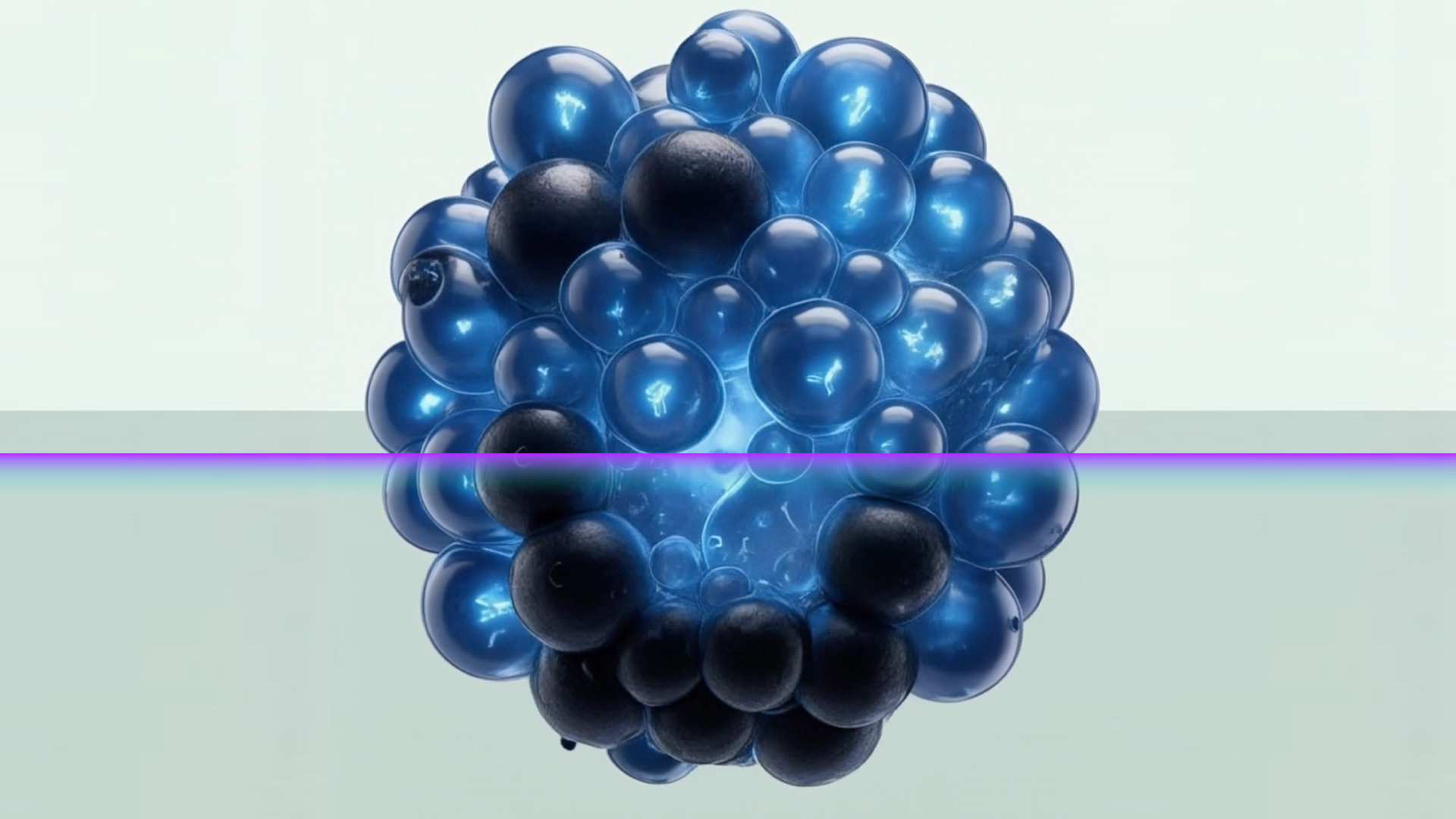
Join Organismo's Critical Encounters!
This module is conceived as a shared space for exchange and collective reflection that articulates the main theoretical, methodological, and critical axes of Organismo 2026. It consists of seven online sessions that bring together the artistic agents leading the case studies—pulso—in dialogue with guest experts. The module is designed to establish the overall conceptual framework of the program and to define a common point of departure, as well as a transversal reflective basis around the notion of infrastructural activism that Organismo proposes to activate through the practices fostered by the program. The study program has a cost of €350, and applications will be accepted until January 12.
Wednesdays from 6:00 to 7:30 pm CET
Dates:
Session 1 – 04 February: Keller Easterling
Session 2 – 11 February: Andrea Muniáin feat Fernando Domínguez Rubio
Session 3 – 18 February: Gary Zhexi Zhang feat Aslak Aamot Helm
Session 4 – 25 February: Grandeza Studio feat Patricia Reed
Session 5 – 04 March: Domestic Data Streamers feat Ben Ditto
Session 6 – 11 March: Paulo Tavares feat. Imani Jacqueline Brown
Session 7 – 18 March: Chus Martínez
Download the PDF with the expanded proposed program.
Organismo | Art in Applied Critical Ecologies is an experimental program of applied research developed by TBA21–Academy and the Museo Nacional Thyssen-Bornemisza. It weaves together situated investigation, critical theory, and speculative practice through a series of applied case studies developed in alliance with cultural, academic, and civic partners. Organismo operates on the hypothesis that artistic and interdisciplinary work can function as a form of infrastructural activism—going beyond critical reflection to activate tangible processes of ecological reparation. The program is structured around five case studies and a transversal Critical Encounters study module.