

uma colher de sal e uma de açúcar: soluções para um oceano febril
a spoonful of salt, a spoonful of sugar: solutions for a feverish ocean

How can we inhabit an ocean in crisis without reproducing the logics that have brought it to this state? How can we transform materials, organisms, and knowledge into forms of care that do not separate technology from life? How can we design infrastructures of care that do not become new forms of extractive intervention?
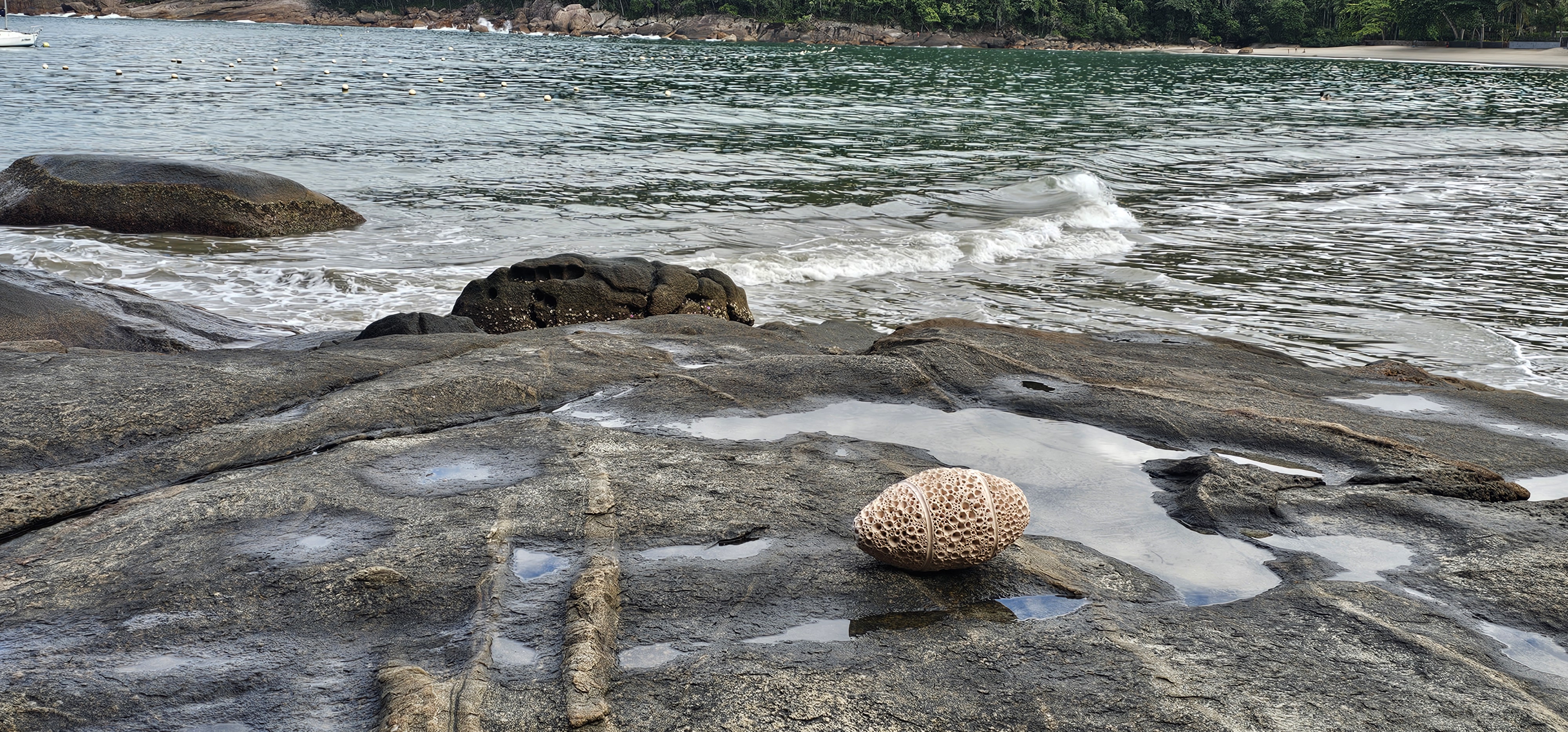
Within the framework of Shifting Shores / Instabilidades Costeiras – an artistic residency program in Salvador and Ubatuba (Brazil) – artist Licida Vidal (b. 1984) unfolds a complex artistic investigation that brings together ecological processes, traditional knowledge, and scientific experimentation, with the aim of imagining new forms of coexistence between human beings, marine ecosystems, and the multiple forms of life that inhabit them.
Shifting Shores is one of the ten residences developed by the South American–European consortium S+T+ARTS Buen-TEK, supported by the European Union. Jointly organized by TBA21–Academy, Pivô, and the Laboratory of Oceanic Art and Science of the University of São Paulo's Oceanographic Institute (IO-USP LACO), the program invited artists to explore coastal transformations caused by climate change through site-responsive transdisciplinary practices.
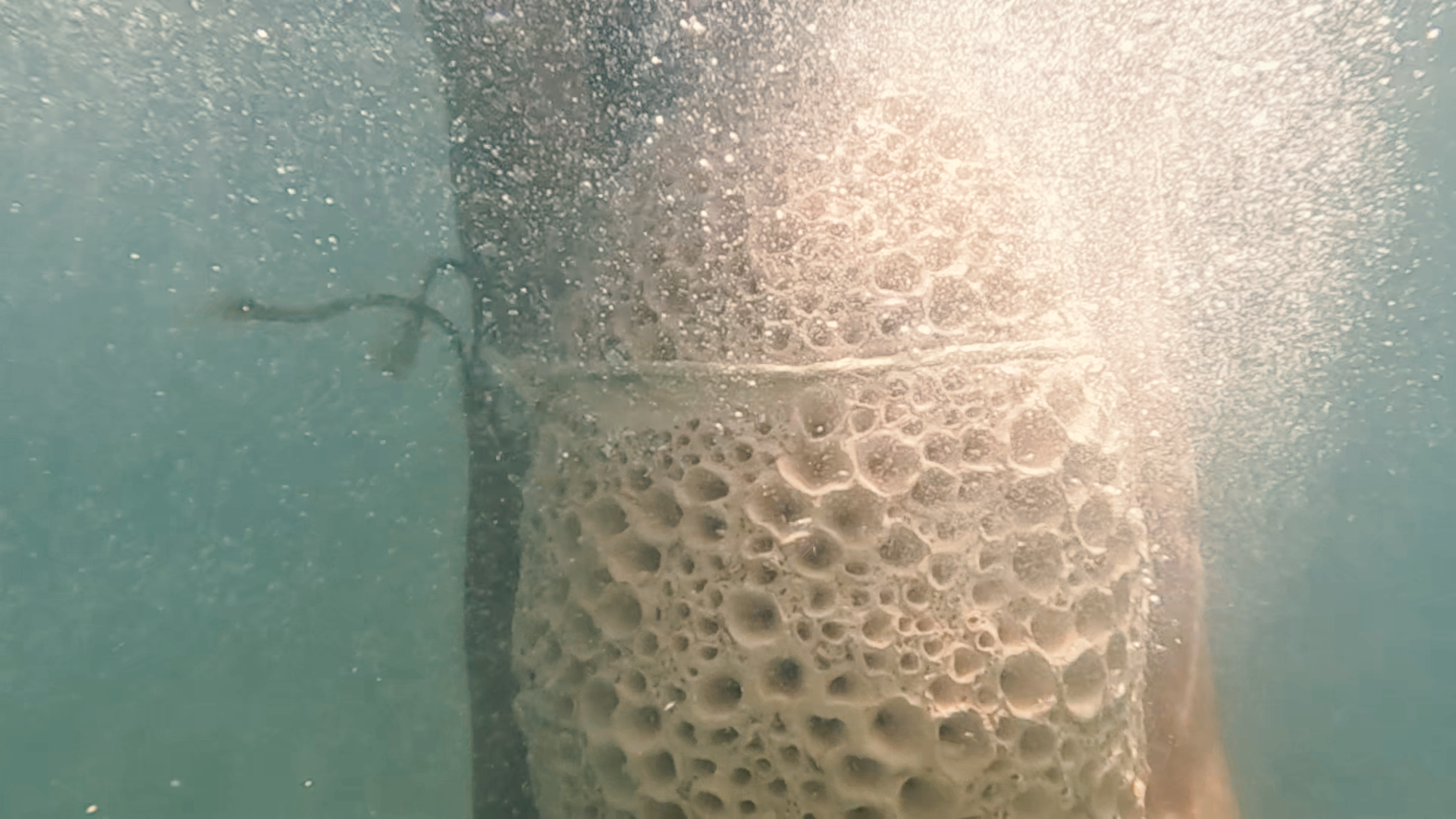
Vidal’s project draws inspiration from the traditional know-how of artisanal fishing, taking shape as a structure suspended in the sea, composed of a set of highly porous ceramic elements. These sculptures propose a new way of “fishing” waste and toxins from saltwater, functioning as both symbolic and ecological filters, combining ancestral practices with bioremediation technologies. In addition to contributing to the reduction of ocean acidification, the pieces invite us to imagine futures in which art, science, and care are intertwined, positioning the ocean as a vital living being.
Licida Vidal is a visual artist living and working in Ubatuba, São Paulo, Brazil. Through performance, photography, video, and installations, her research addresses issues of gender and nature within the context of climate emergencies. Her work weaves together subaltern knowledge, intimate experiences and academic research in a search for strategies to restore autonomy to bodies and territories, engaging with discussions around interdependence, scale, territory, diversity and coexistence amid the collapse of the fossil fuel era.
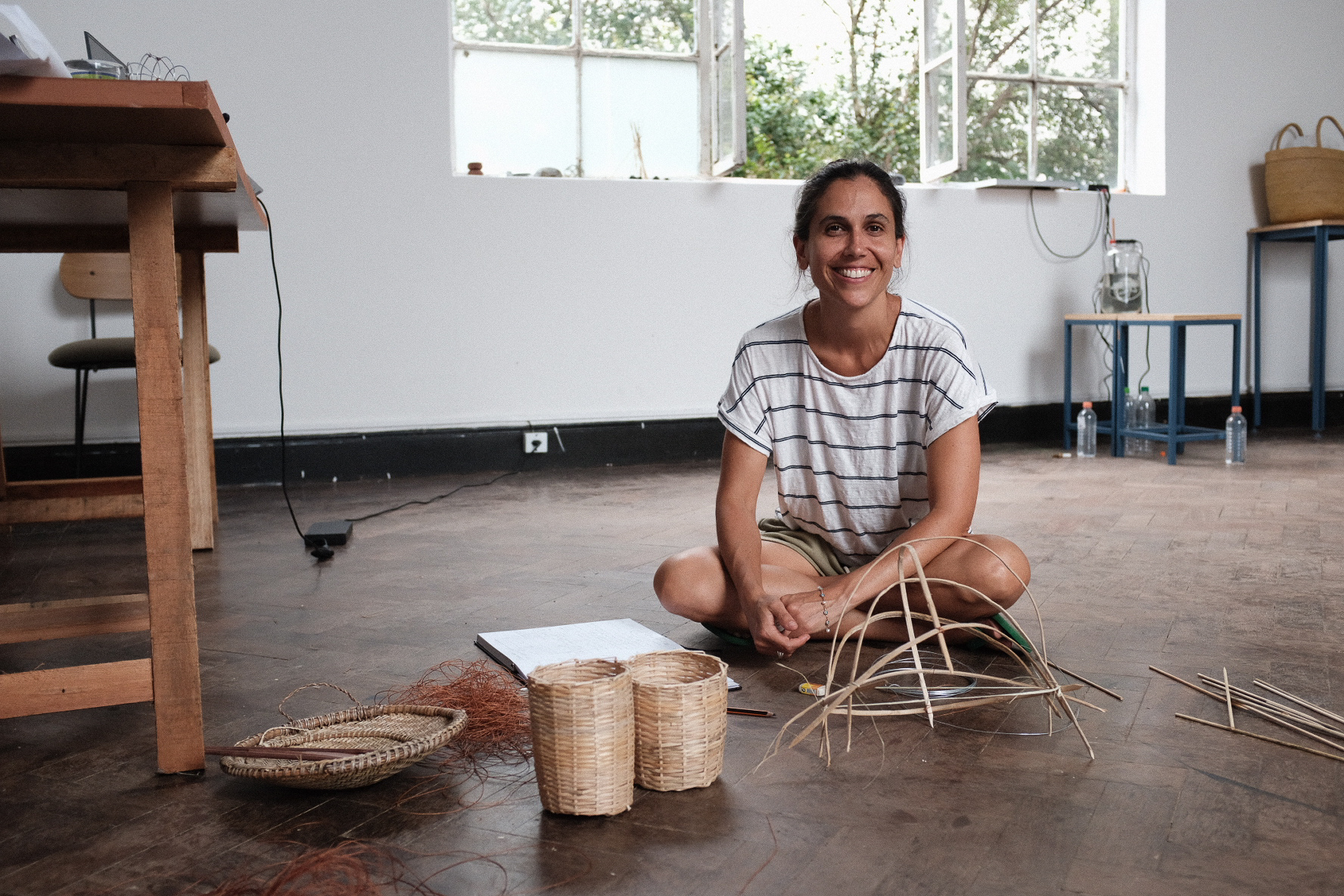
a spoonful of salt and a spoonful of sugar: solutions for a feverish ocean is situated at the intersection of artistic practice, ecological research, and critical thought. Its starting point is an inquiry into the stressors affecting coastal waters, especially in those territories where human life and the sea are closely intertwined in everyday ways. From her most intimate motivations, the artist acknowledges that her creative impulse arises from a “love for the saline mass that sustains us, floating in its embrace”, understanding the ocean as a matrix of life, a nurturing body that is, at the same time, subjected to constant violence. This tension between care and exploitation runs throughout her practice.
Her work is grounded in a decolonial ecological perspective, from which she questions extractive logics – from coastal urbanization to maritime traffic – both colonial and contemporary, that continue to reproduce forms of exploitation affecting ecosystems as well as the communities that depend on them. Her practice opens up a set of questions: How can the sea be regenerated? What does it mean to care for it? And how can different forms of knowledge be articulated without being subordinated to a single logic?
The development of her work does not proceed linearly; rather, it is built through ongoing negotiation between different frameworks of knowledge. Vidal describes herself as a “messenger” moving between these domains, a role marked by tension. While the scientific community expresses reservations about introducing exogenous materials into marine ecosystems, due to the potential adverse effects they may generate – such as the proliferation of invasive species – local communities question the relevance of certain scientific practices, perceiving them as disconnected from their own experiences and needs.
Within this context of tension, the artist seeks to open up a space of encounter that unsettles rigid oppositions, fostering points of connection and insisting on the need to understand relationships between elements beyond disciplinary compartmentalization. In this way, the development of the project reflects this complexity.
Ubatuba
October marked the beginning of the residency with an intense immersion in Ubatuba, hosted by the Clarimundo de Jesus Research Base of the Oceanographic Institute of the University of São Paulo (IO-USP) and the UNESCO Chair for Ocean Sustainability. The opening week centered on an
international Oceanic Art and Science program, curated by Fabiane M. Borges, psychologist, PhD in Clinical Psychology (PUC/SP) and Alexander Turra, USP professor and Head of the UNESCO Chair for Ocean Sustainability, aimed at connecting perspectives from different ocean-related fields, and expanding the space of exchange between artistic, scientific and institutional practices.
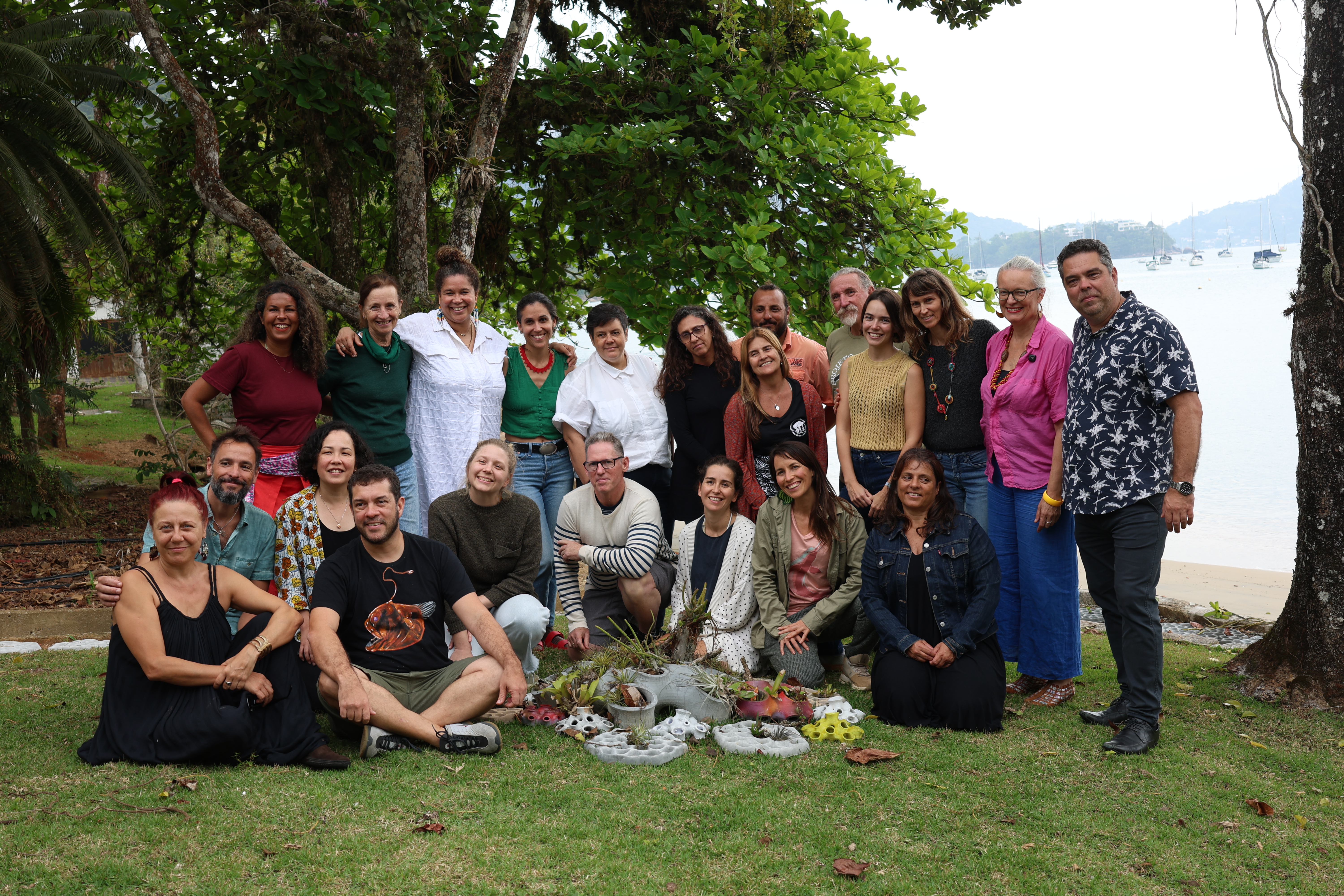
The gathering brought together three international artists in residence – Letícia Ramos (Brazil), Alberta Whittle (United Kingdom/Barbados) and Licida Vidal – alongside representatives from eighteen Brazilian organisations connected to environmental research, education, culture and coastal conservation initiatives. This program also marked a historic moment for the Oceanographic Institute, which celebrated the launch of LACO – The Laboratory of Oceanic Art and Science, a space of convergence between scientific research, artistic creation, and coastal imagination.
Workshop on Algaculture, Science, and Art
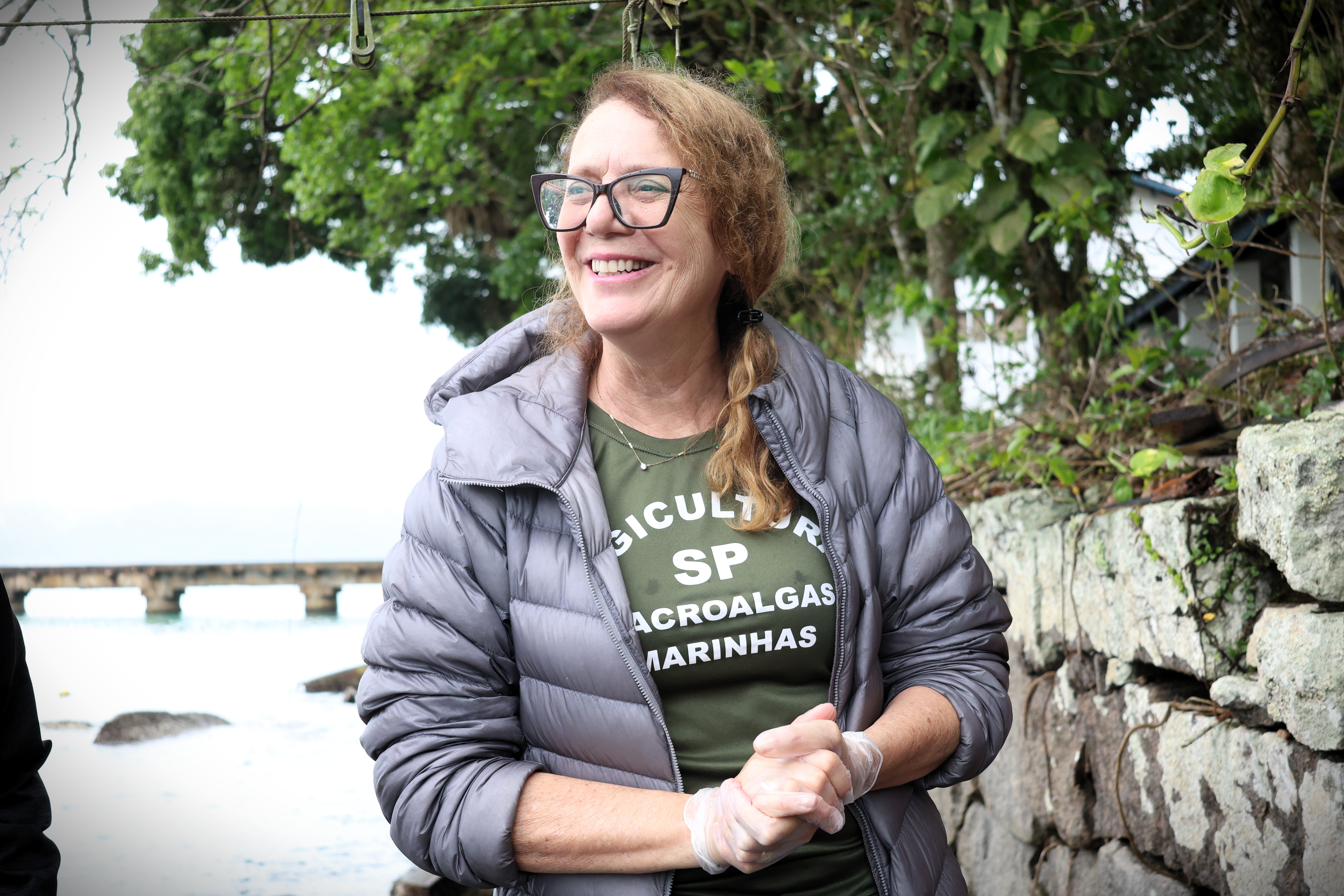
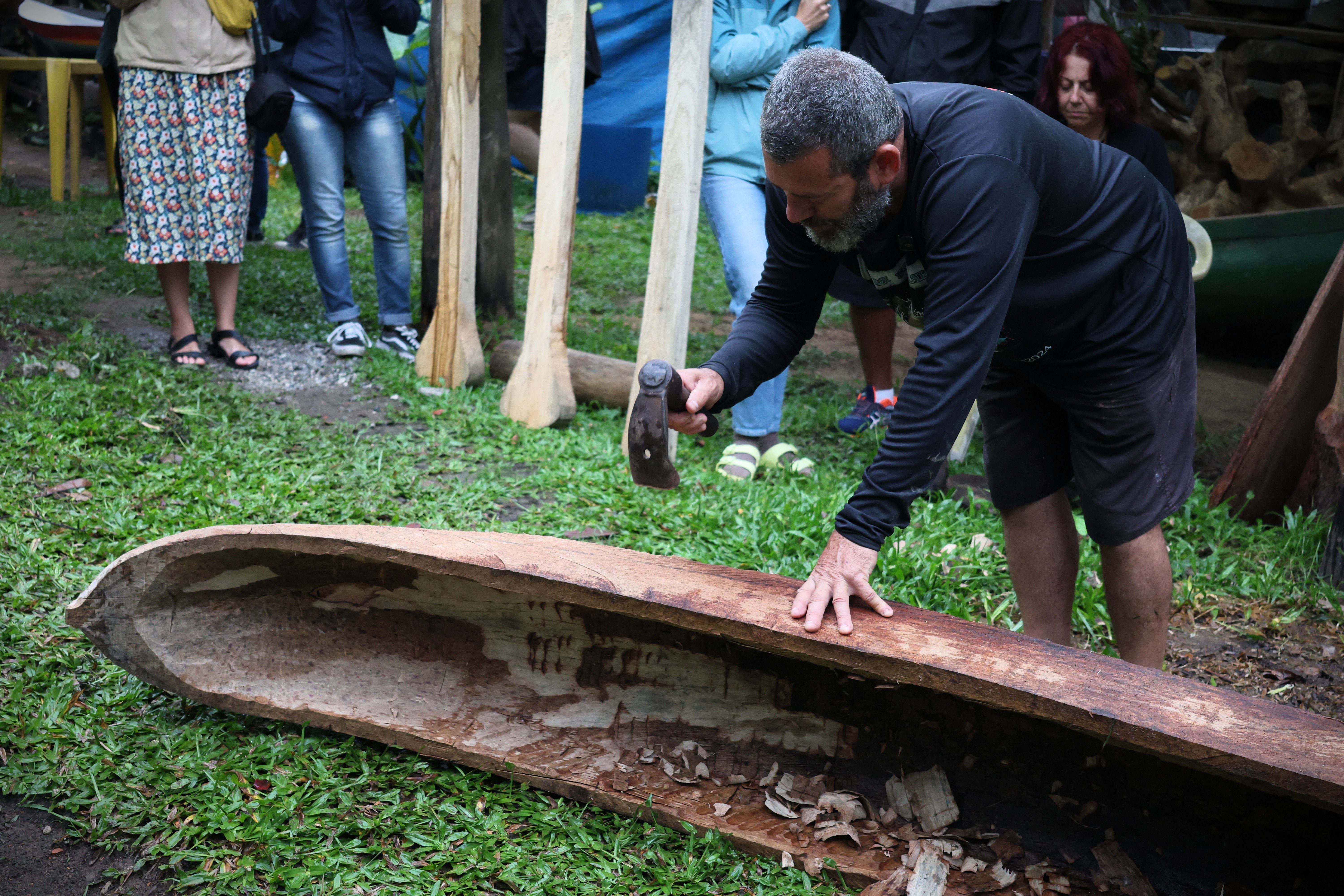
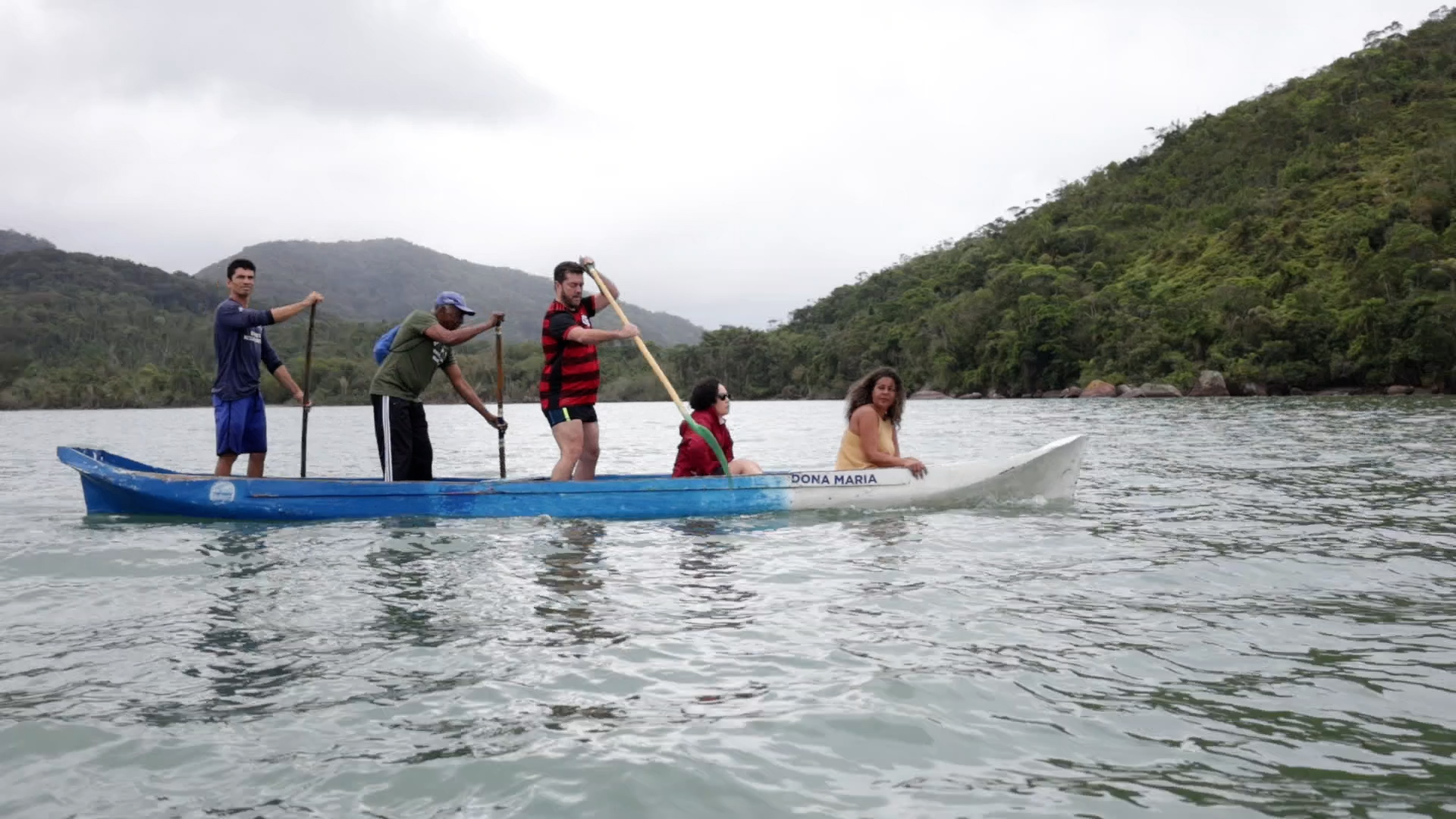
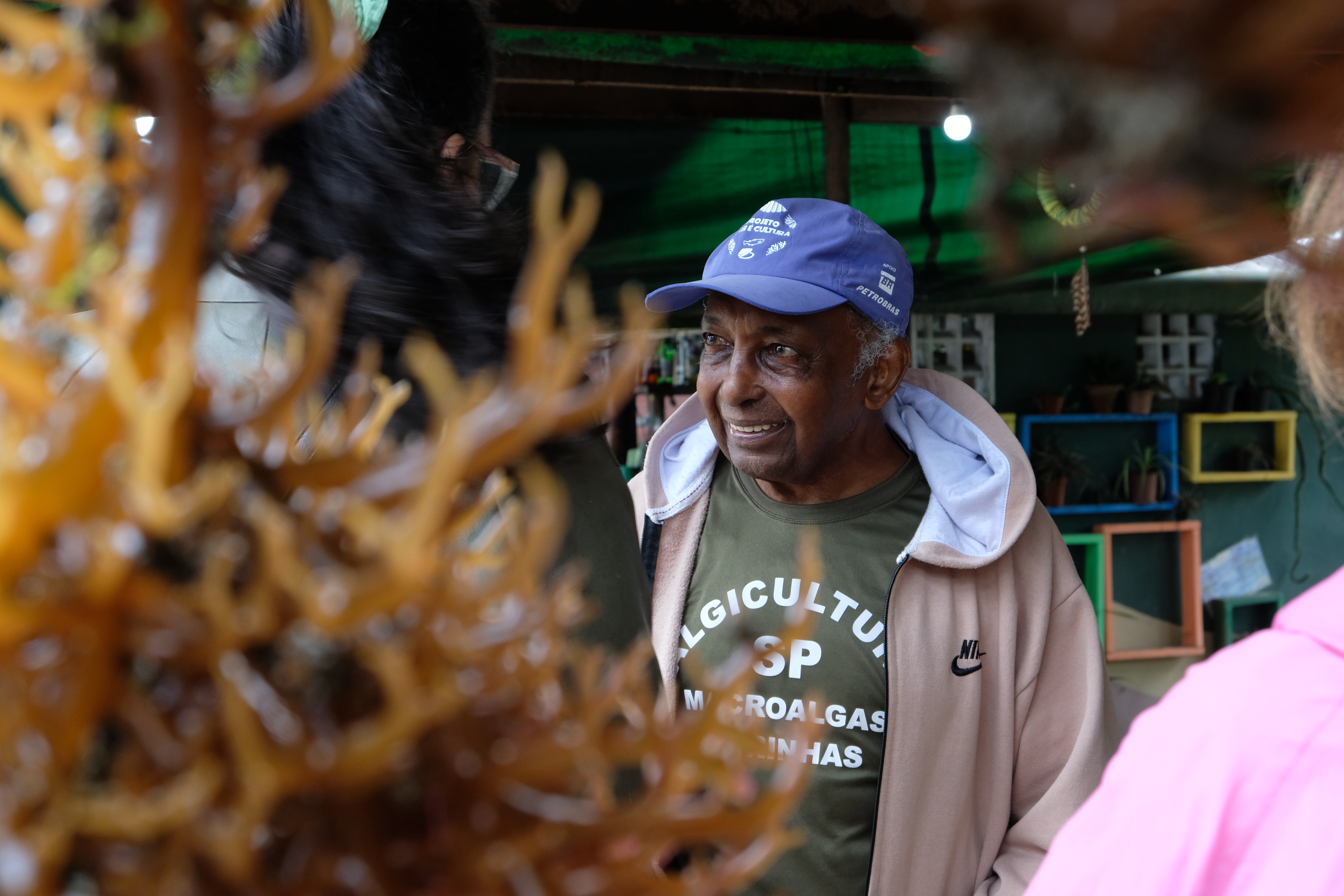
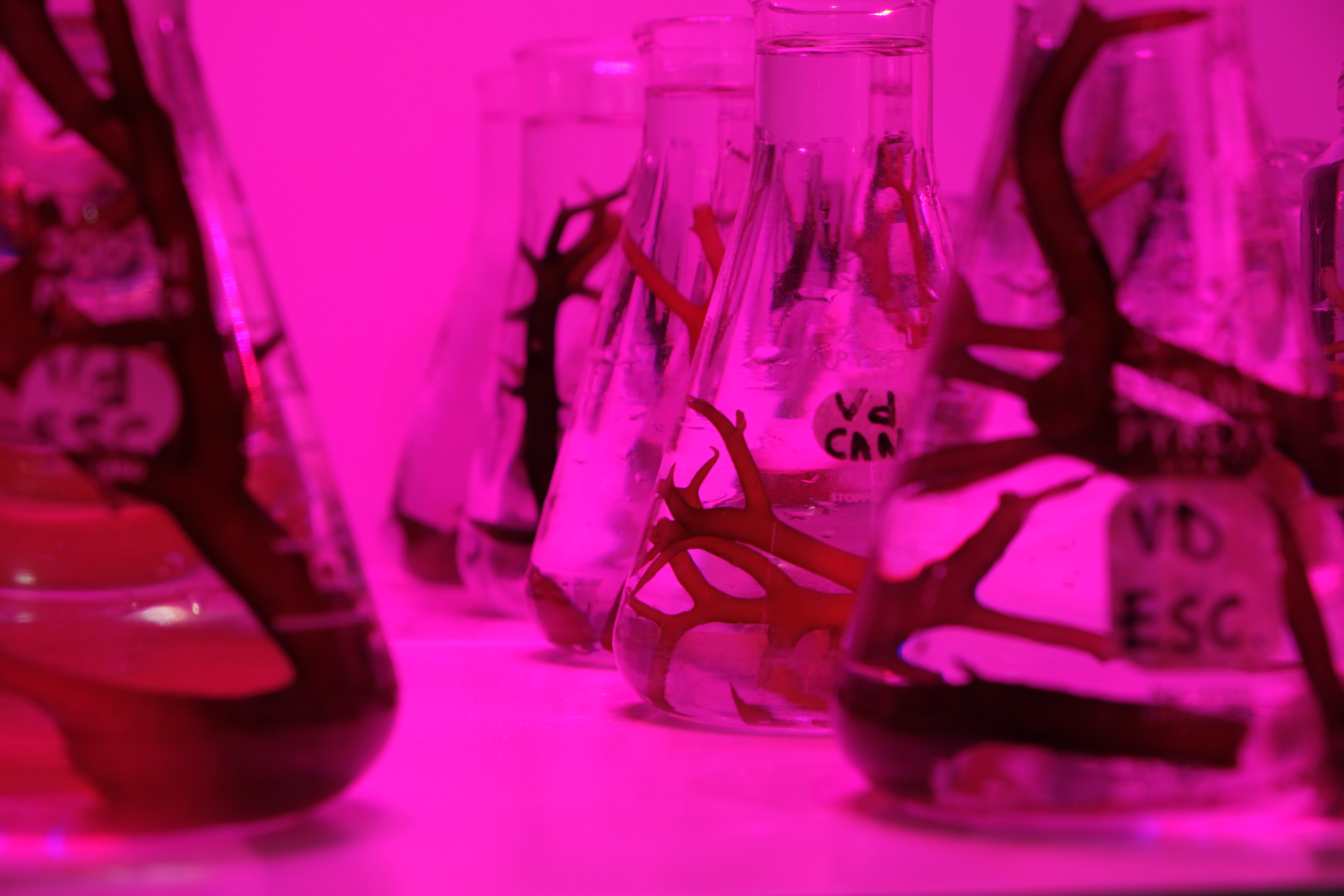
A full-day workshop brought participants to two sites central to Ubatuba’s relationship with the sea: the mariculture farm of Eusébio Higino de Oliveira – known as Seu Gino – and the Instituto de Pesca (IP-APTA). The workshop proposed an immersion in the ecologies and practices of macroalgae cultivation, structured as a space of convergence between scientific knowledge, contemporary art, and caiçara traditional knowledge. A morning canoe excursion to Seu Gino's cultivation lines gave participants direct sensory contact with the intergenerational work involved in the management, harvesting and maintenance of seashell and algae structures. An afternoon session at the Instituto de Pesca, led by researcher Valéria Cress Gelli – who has collaborated with Seu Gino and other mariculturists in the area for over two decades – touched upon the connections between blue bioeconomies, sustainable cultivation of the macroalgae Kappaphycus alvarezii, climate change, transdisciplinary innovation and ocean literacy. The program included a practical showcase of traditional caiçara canoe building by master canoe builder Renato Bueno.
The residency continued with a number of field visits: Anchieta Island State Park, a conservation unit managed by the Fundação Florestal; Ubatuba’s water supply and sanitation systems – SABESP Wastewater Treatment Plant– and the Rio Grande, accompanied by hydrologist Afonso Reis Furin; or a visit to the Paraty region in collaboration with the Chico Mendes Institute for Biodiversity Conservation (ICMBio), led by marine monitoring technician and biologist Eduardo Godoy. A day of plankton collection and analysis was conducted at the Plankton and Pelagic Systems Laboratory of the Oceanographic Institute of the University of São Paulo (LAPS–IOUSP), together with oceanographer Luciana Frazão and the technical team of the Ubatuba Oceanographic Base.
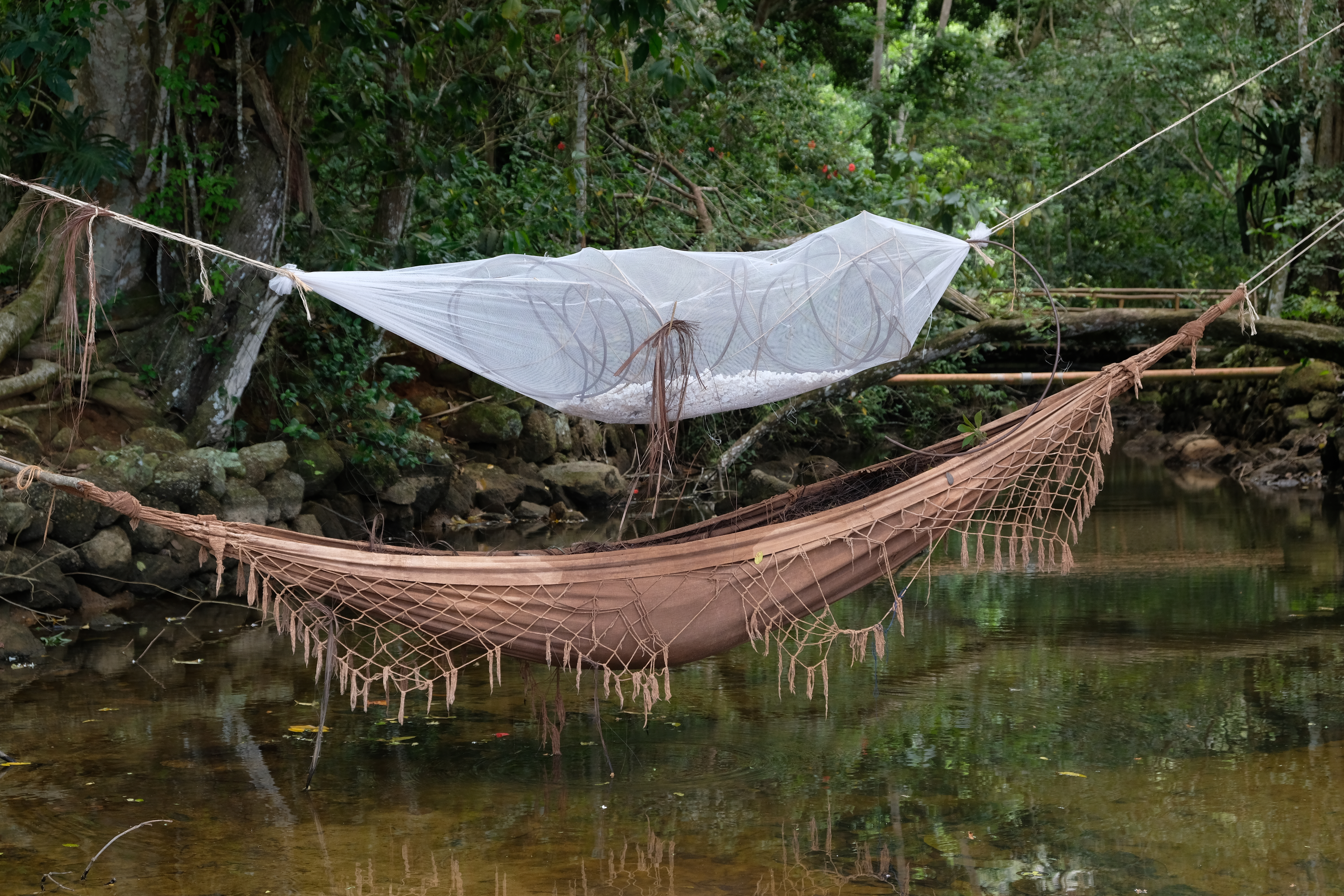
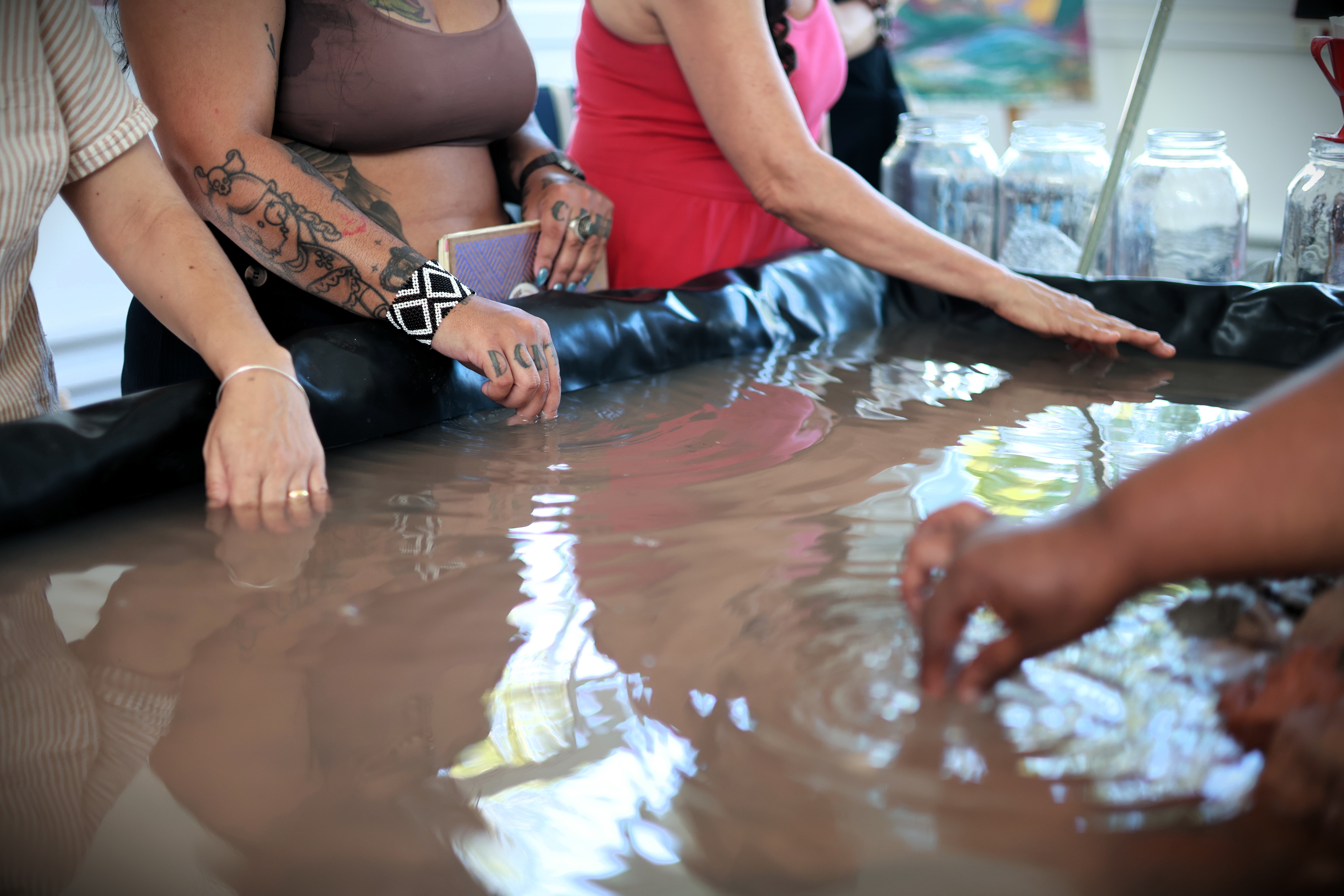
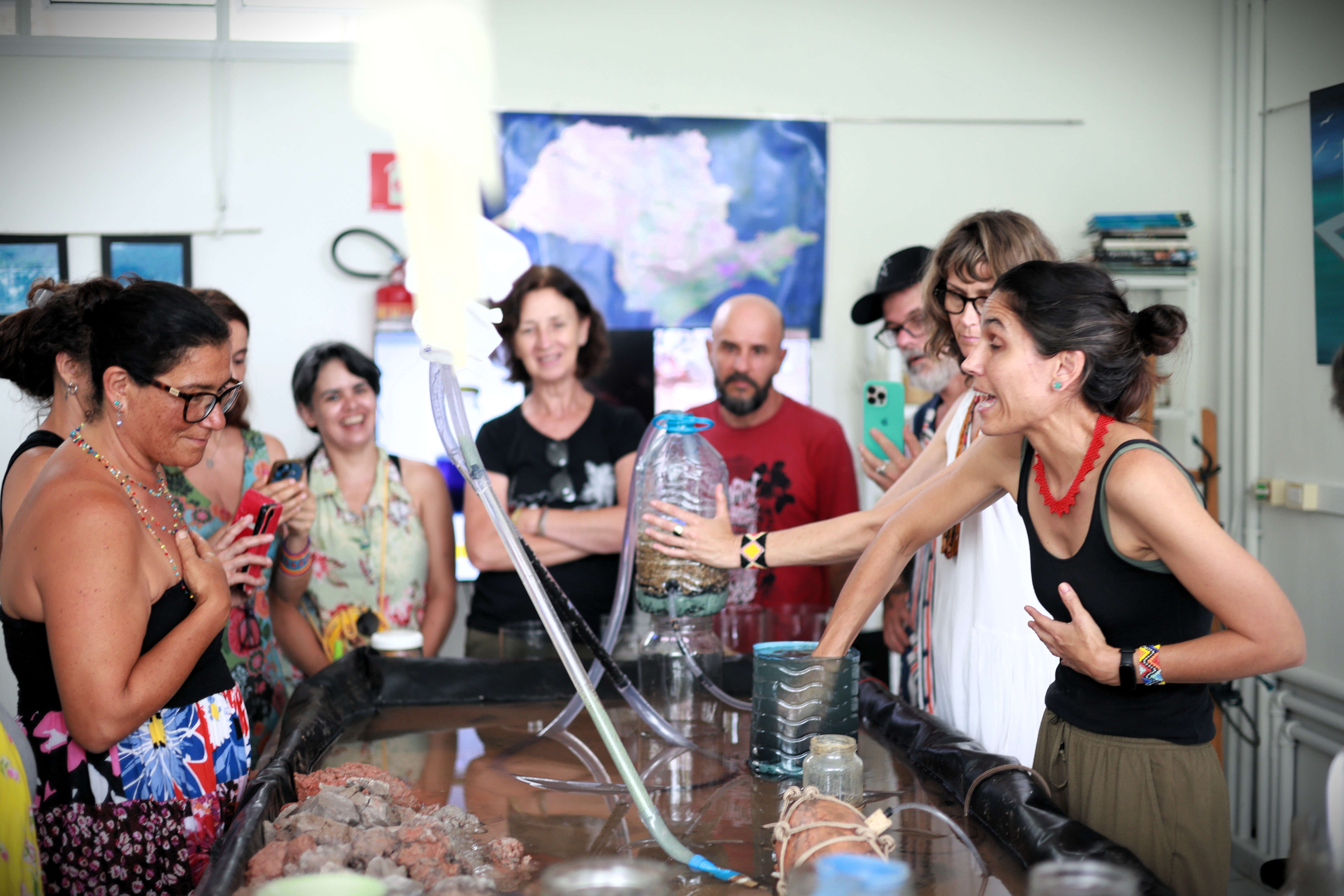
In parallel Licida Vidal developed the workshop series “Conversaciones con las aguas”, designed to engage environmental activists, Quilombola and Indigenous leaders, artists, scientists, and educators. These sessions addressed listening to water as a sensory practice, the creation of affective maps through water samples brought by participants, and a final reflection on care and collective responsibility in water governance, using sensory exercises and natural materials.
“This was one of the most important stages of development and research of this project; all the meetings were supported by a body of water in the center of the room, which received and told all the memories of the group and beyond; then, the meetings articulated locally constructed knowledge and legitimate personal anxieties, and thus new perspectives emerged.”
– Licida Vidal
These encounters positioned the project within a productive tension between disciplines, facilitated a gradual immersion into different layers of the territory and prepared the groundwork for a local network of sustained relationships between scientific institutions, coastal communities, and cultural practitioners. They also contributed to opening the doors of LACO to new audiences, making the institution more porous and accessible to its neighbors.
Salvador
Between January and February 2026, Licida Vidal continued her research during a two-week residency at Pivô Boulevard in Salvador, a shift from a coastal research environment to a dense urban setting, where historical, social and ecological layers converge along the shoreline.
In Salvador, Vidal reunited with Alberta Whittle, extending the dialogue initiated in Ubatuba through The Ocean’s Edge initiative. The artists participated in a series of encounters with local communities, including Quilombola, Indigenous and Candomblé groups, as well as exchanges with artists, researchers and environmental activists. These interactions brought forward situated perspectives on the sea, understood not only as a physical space but as a site shaped by memory, spirituality and political struggle.
The residency placed particular emphasis on examining the environmental pressures affecting Salvador’s coastal waters. Vidal investigated how pollution intersects with local livelihoods and marine ecosystems, developing a line of research focused on sculptural forms designed to operate within aquatic environments. As part of her material research, the artist traveled to Maragogipinho, a well-known center for ceramic production, where she further explored clay as a key medium for her work. This engagement connected traditional knowledge with her ongoing investigation into ecological sculpture and marine remediation processes.
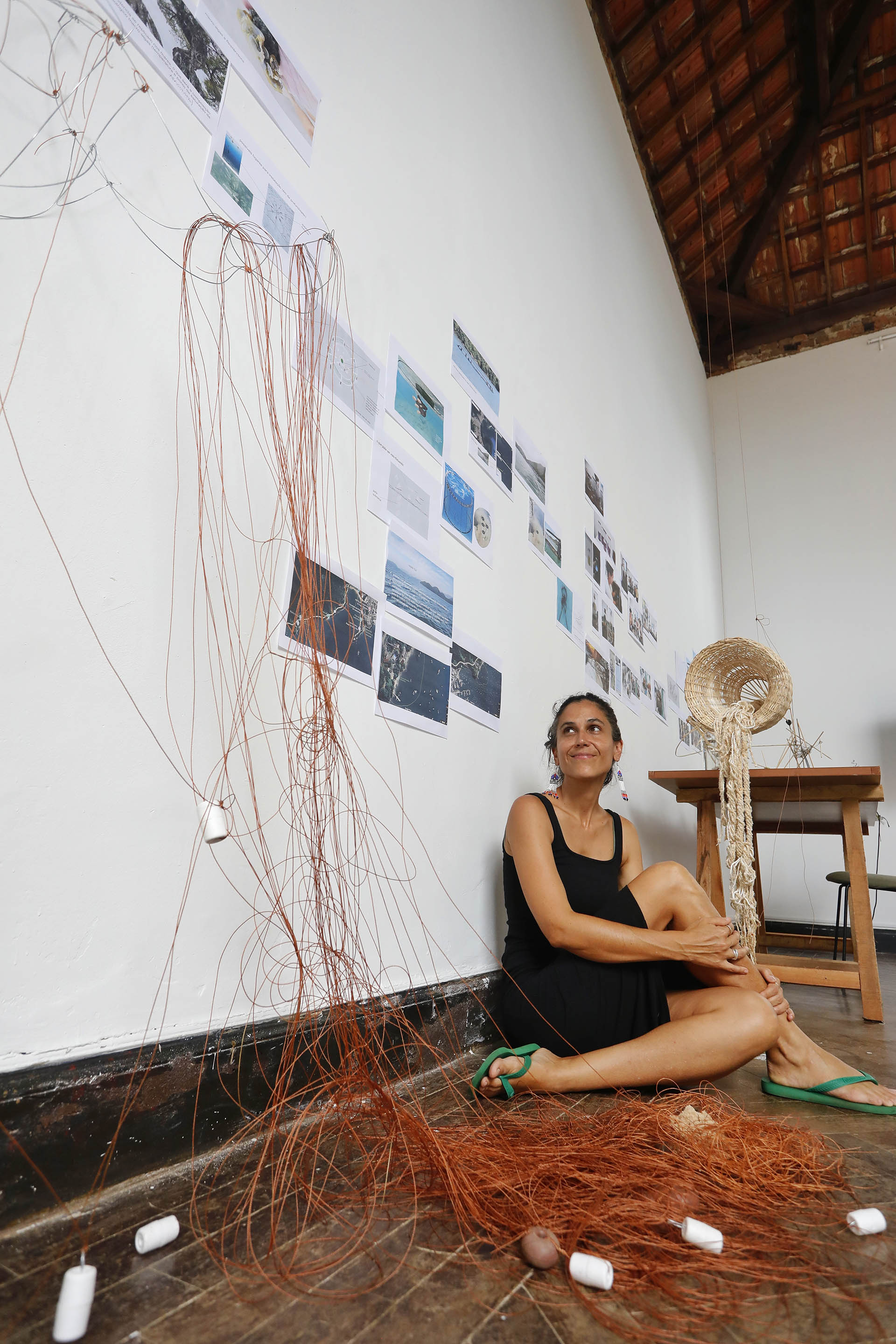
Public-facing activities included a screening of "Ouro Negro é a gente" by Aline Baiana on Ilha de Maré — opening a space for reflection on the environmental and social impacts of oil extraction in the region — a dive with the Fundo da Folia group, a public event at the UFBA Planetarium bringing together audiovisual material and scientific research on the Barra Marine Park and Antarctic marine studies, and further programming developed in collaboration with the Federal University of Bahia. The residency culminated with an open studio at Pivô Boulevard, where Licida Vidal shared her ongoing processes in a public conversation mediated by professor Karla Brunet.
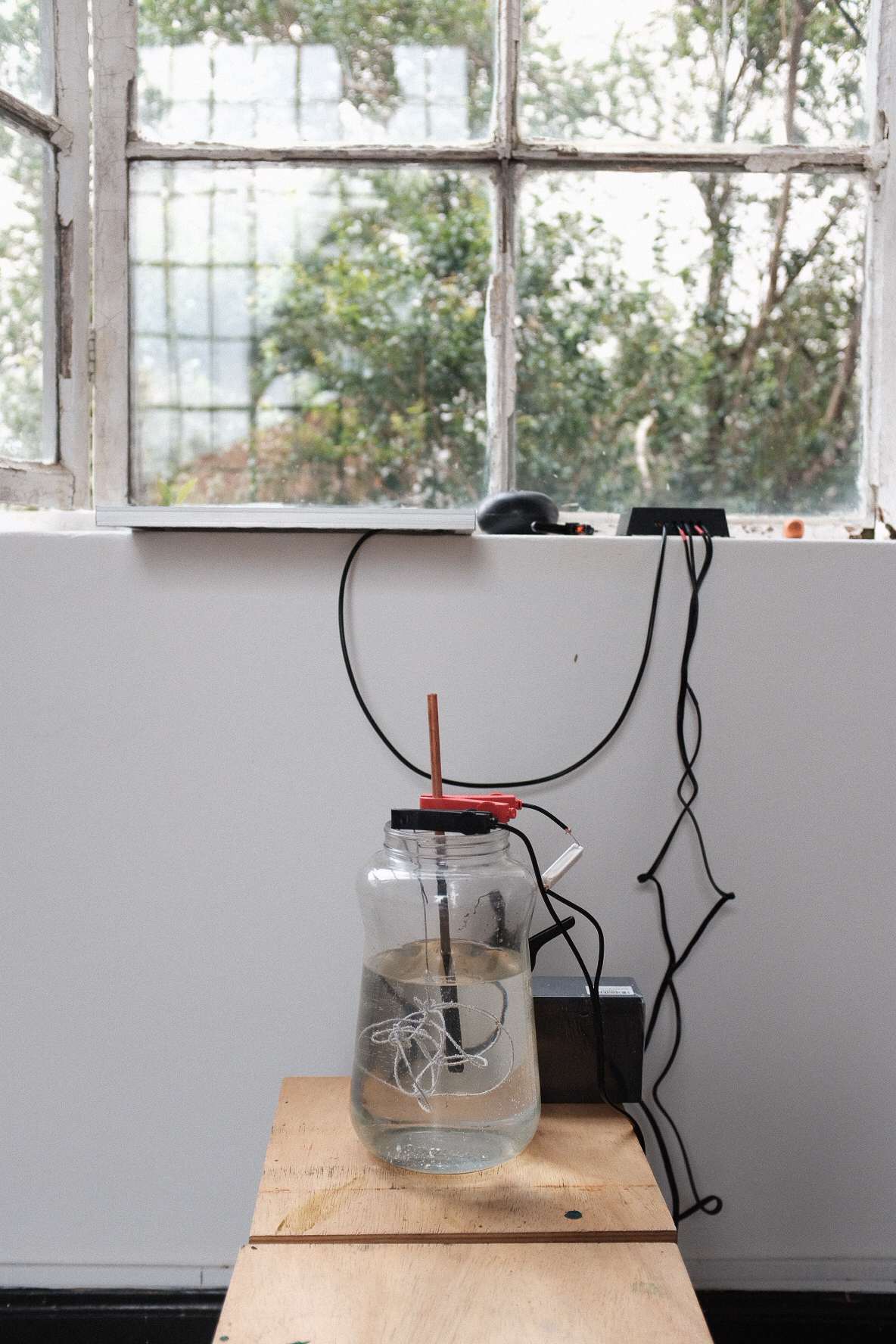
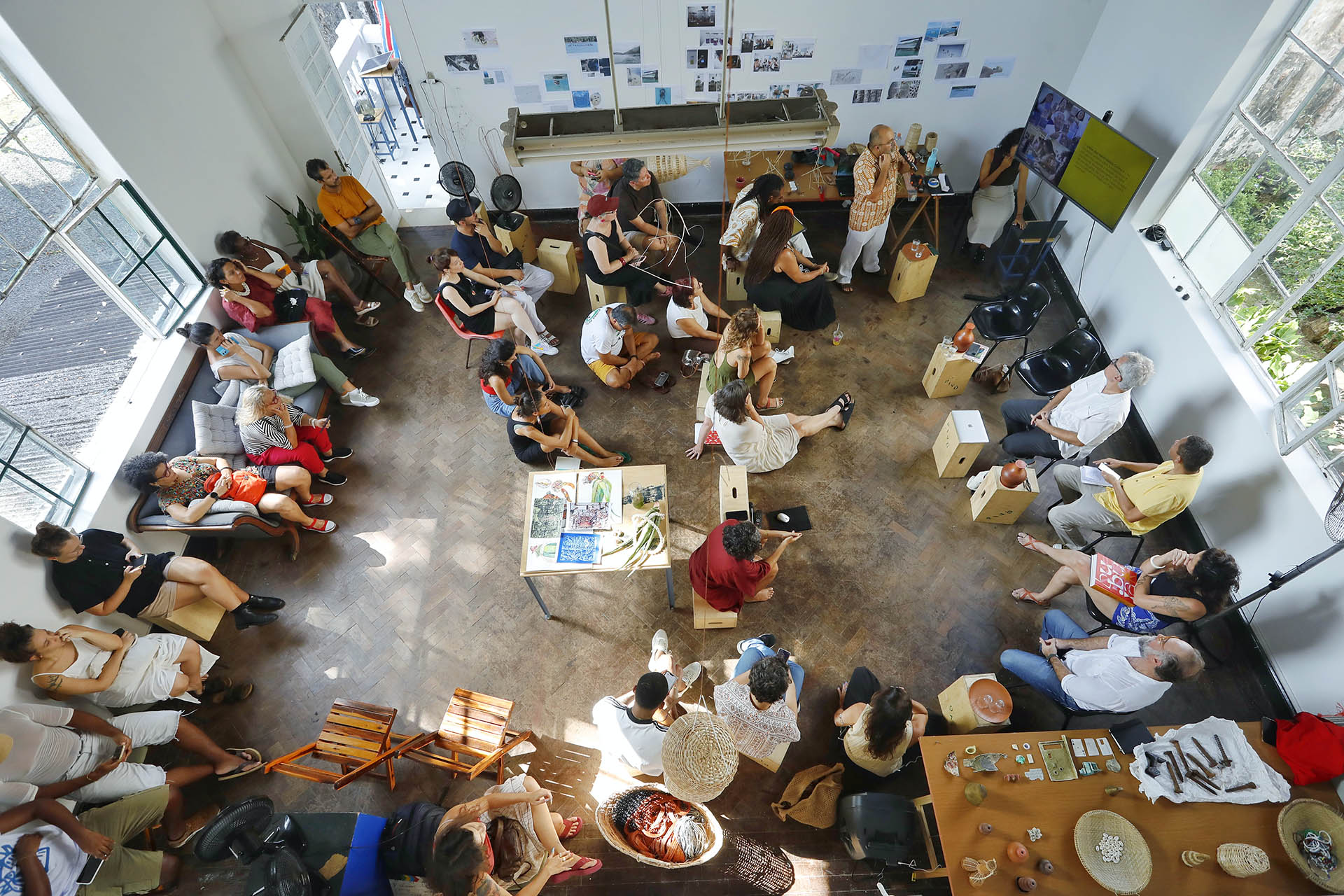
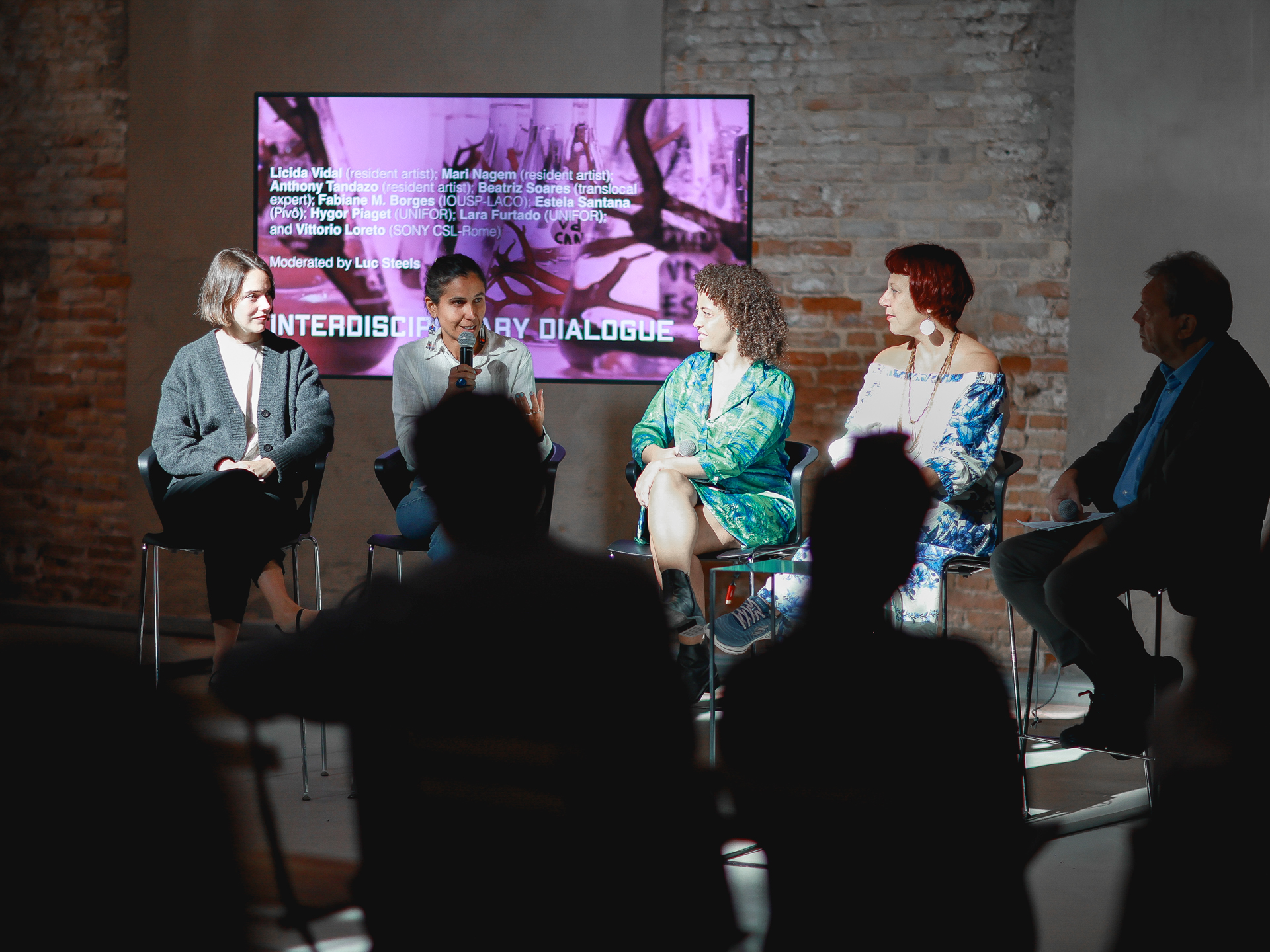
Building on this research, the project was also presented across Europe — through an audiovisual performance lecture at the Impakt Festival in Utrecht, an interdisciplinary dialogue at Ocean Space in Venice, and a two-week residency at Cove Park in Scotland, as the culmination of The Ocean's Edge sister program. These events opened a space to reflect collectively on the tensions and forms of knowledge emerging from the ten residencies of the S+T+ARTS Buen-TEK program, and became an opportunity to experiment with narrative formats capable of translating a process-based, situated investigation to new audiences — where artistic documentation, scientific research, personal testimony, and speculative reflection converged.
Solutions for a feverish ocean
This trajectory between coastal cities, laboratories, communities, and institutions led into a period of intensive production. Interdisciplinary research made it possible to identify the main pollutants present in the waters – particularly pharmaceutical compounds and personal care products – detected in nearshore areas and more distant zones. These findings point to persistent contamination that cannot be removed through conventional wastewater treatment, reinforcing Vidal's impulse to explore alternative remediation strategies operating directly within the marine environment.
The outcome of these processes is oriented toward the creation of ecosystem-sculptures: structures installed in the sea that function as living gardens. In Vidal's words, these ideas take shape in “a platform that operates simultaneously as a technical device, an emergent habitat, and a space of encounter – a system in which different forms of life coexist, such as algae, bacteria, plankton and human beings, alongside multiple forces such as winds, currents, and waves, as well as the very pollutants that motivate the intervention.”
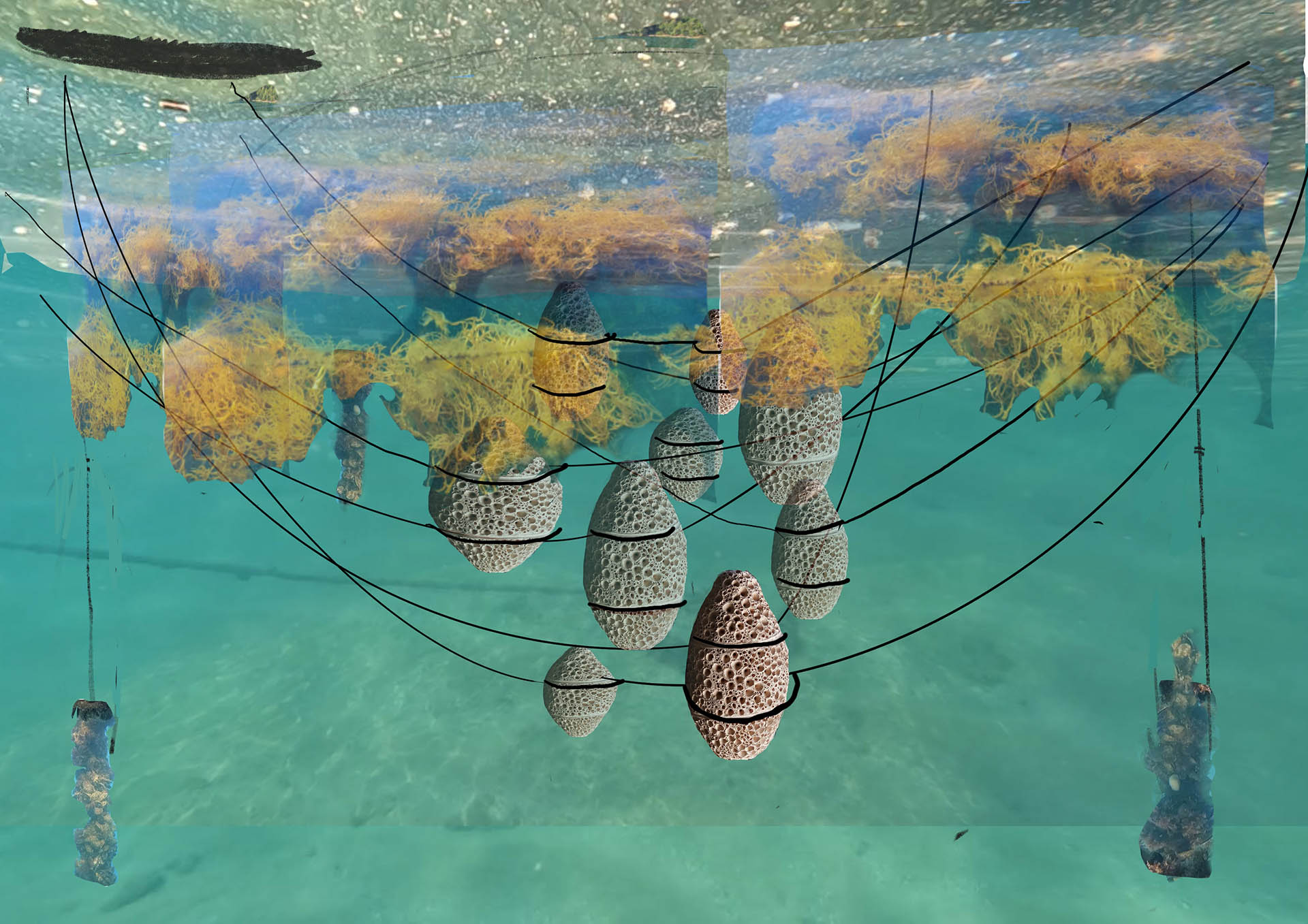
“The idea for the floating deck emerged after my initial proposal, born from the need for a space to observe, rest and meditate under the same conditions as the beings subject to these marine elements. It is a place for elaboration in co-presence with the salt water.”
– Licida Vidal
The prototype unfolds vertically, from the water's surface to the seabed. At its core are porous ceramic structures designed to function as filters. Composed of macroalgae and adsorbent materials — including vermiculite, biochar, and zeolites — they are designed to capture pollutants such as carbon dioxide, glyphosate, and microplastics, retaining them on their surfaces. Their outer surfaces also encourage colonization by marine organisms such as barnacles, ascidians, and bacteria, transforming the structure into a living support that amplifies its filtration capacity through biological processes.
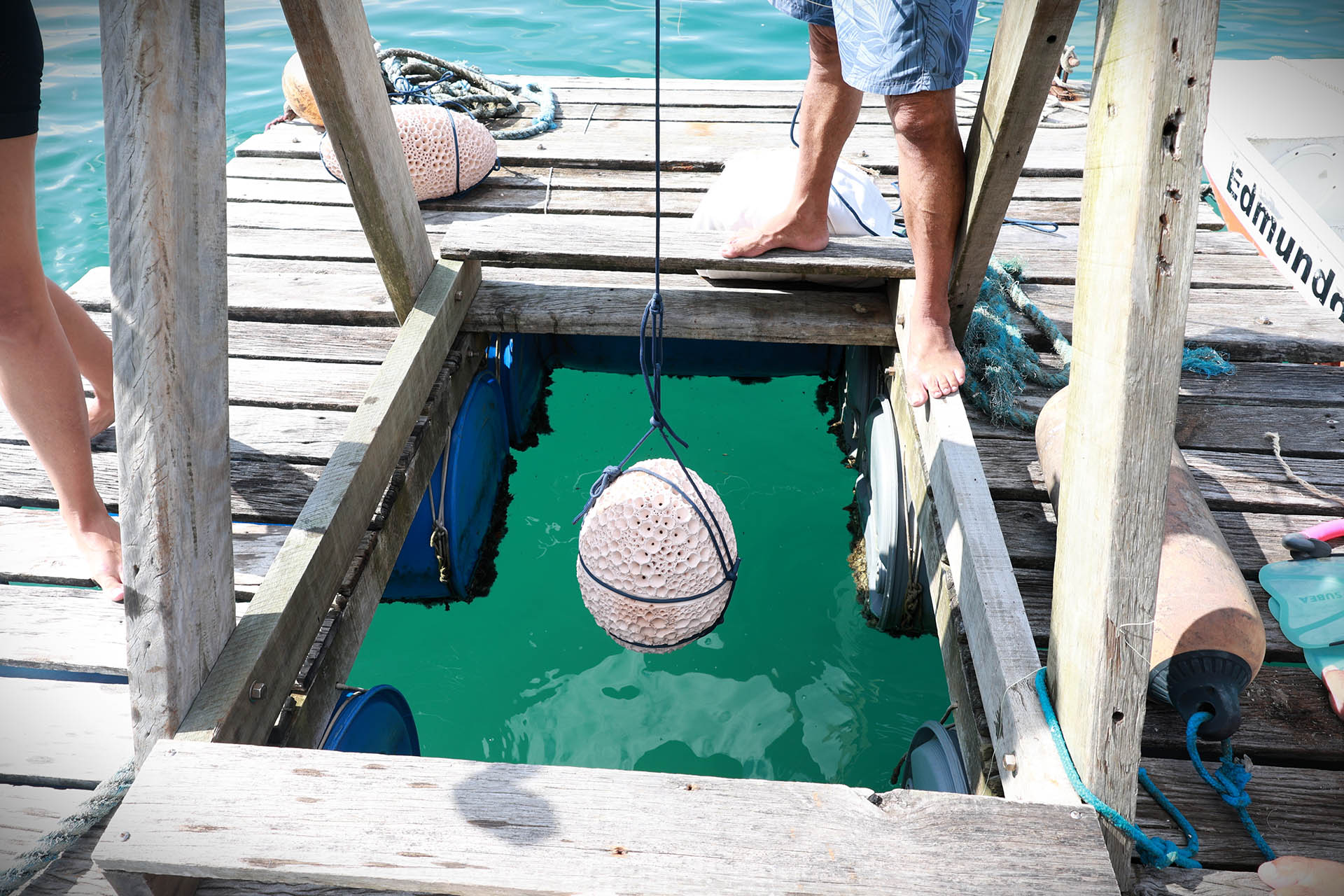
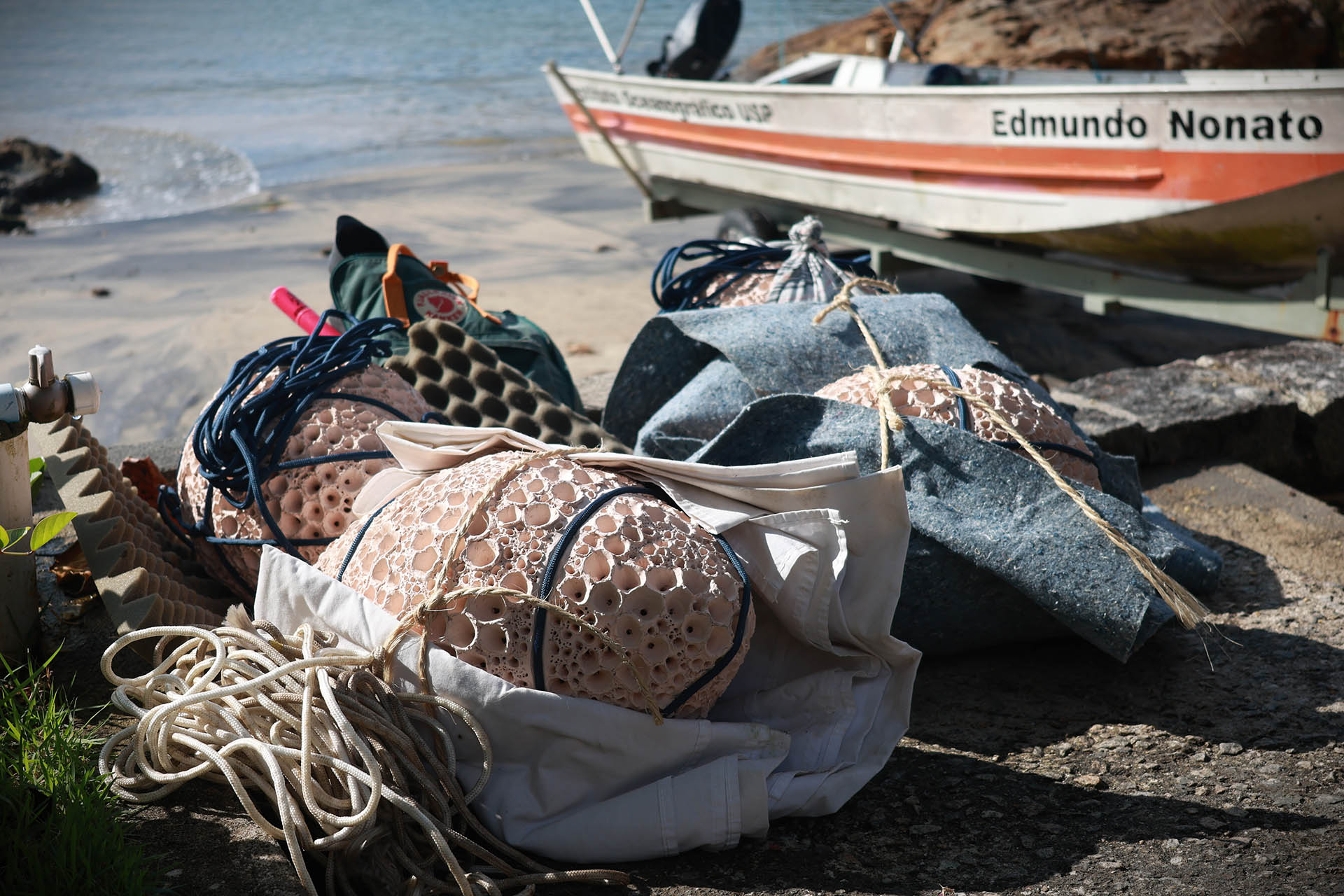
“The choice of ceramics is rooted in its historical legitimacy for water care and its technological efficiency. My intimacy with this material stems from my rural background, but the technical knowledge and scientific refinement first took shape in Ubatuba.”
– Licida Vidal
The pieces are arranged within a mesh cage connected to a high-density polyethylene buoy, forming a floating system that responds to environmental dynamics. Macroalgae function both as bioindicators of water quality and as active agents in the purification of the water column. A system of platforms allows visitors to approach a work that would otherwise remain invisible beneath the surface – creating a threshold between the submerged world and the terrestrial one, requiring a certain disposition toward listening and silence. The work becomes a device for slowing down: an interruption in the accelerated flow of tourism and consumption.
The installation is sited in a marina near the laboratory, distinguished with the Blue Flag certification, allowing for continuous monitoring by the IO-USP team while facilitating educational and mediation activities. Maintenance is conceived not as technical upkeep but as an ongoing practice of care — involving constant observation, community participation, and the periodic activation of pedagogical programs.
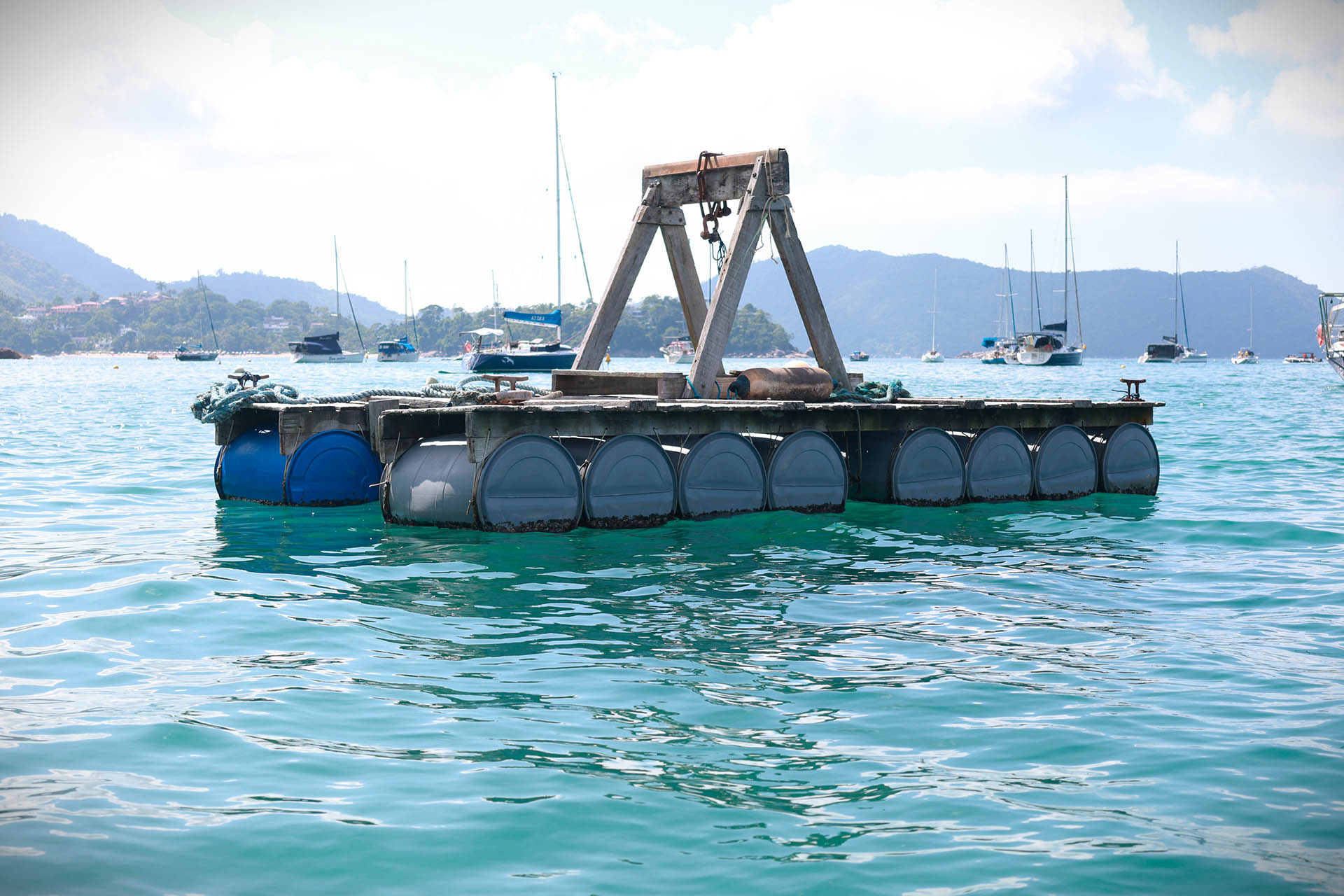
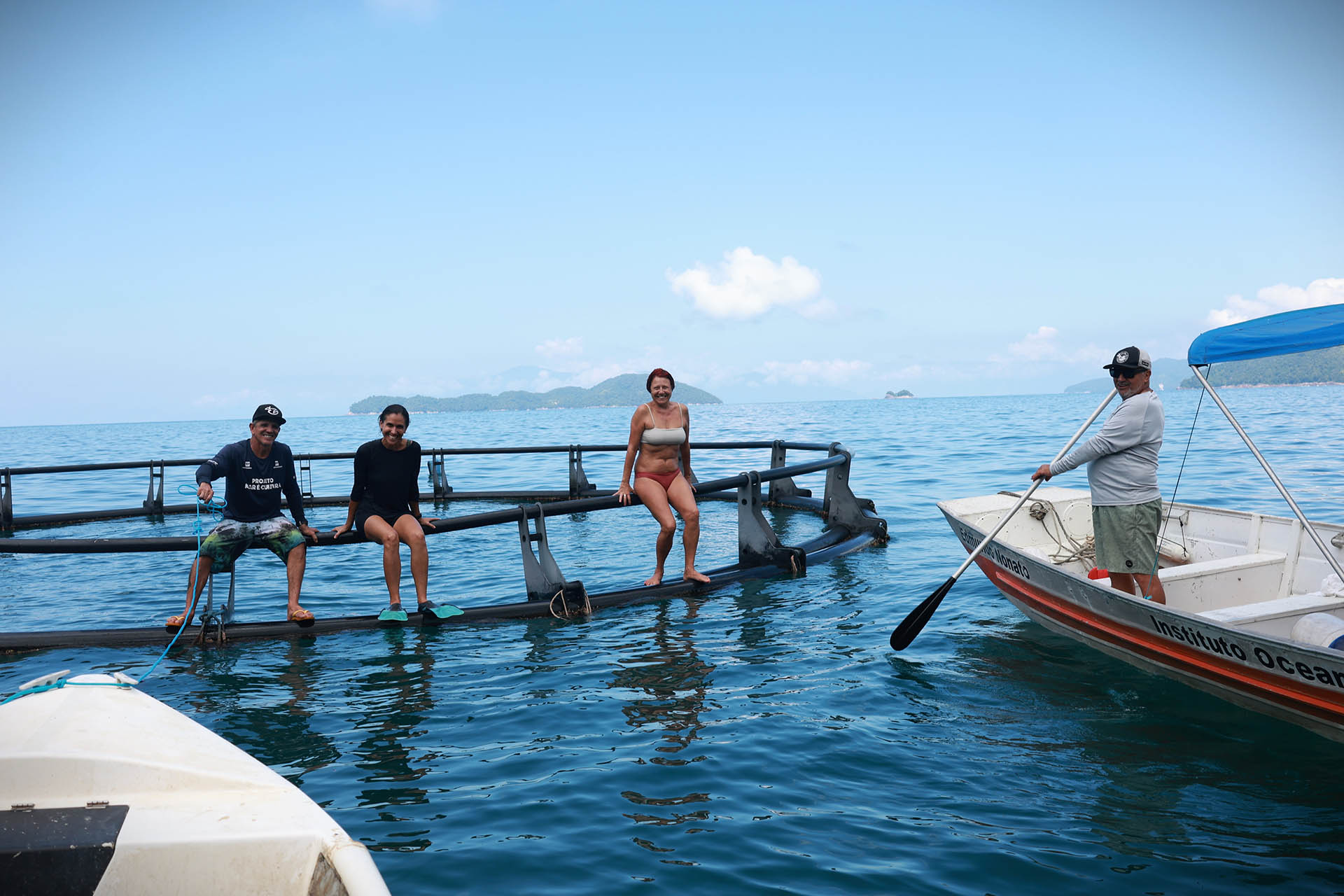
Over the course of the residency, the project underwent a significant conceptual evolution in relation to its form and function. Initially inspired by capture structures such as traditional fishing traps, the design gradually shifted toward models associated with mariculture, emphasizing cultivation, care and regeneration. This shift reflects a critique of extractive logics and proposes an approach grounded in coexistence and sustainability. The installation exceeds its conception as a technical device to position itself as a cultural infrastructure that fosters new ways of relating to the ocean.
Taken as a whole, the project is configured as a transdisciplinary practice that brings together art, science and community in the construction of a living infrastructure that proposes new ways of perceiving, inhabiting and caring for the ocean, opening spaces for experimentation, reflection and collective action in a context of global ecological crisis.
“A common point is knowing that we don't want to leave behind only piles of materials for documentation. It is necessary to develop new concepts and practices around what we choose to retain and care for.”
– Licida Vidal
Licida Vidal’s project is presented as a prototype, an invitation to be replicated, adapted and transformed, opening a space for collective imagination in which the ocean ceases to be understood as a resource and instead becomes a living, interdependent subject. In this sense, artistic practice is revealed as deeply entangled with the processes of social, ecological and affective transformation that define our time.
Text by Cristina Arnedo