TBA21–Academy Residency Program 2026
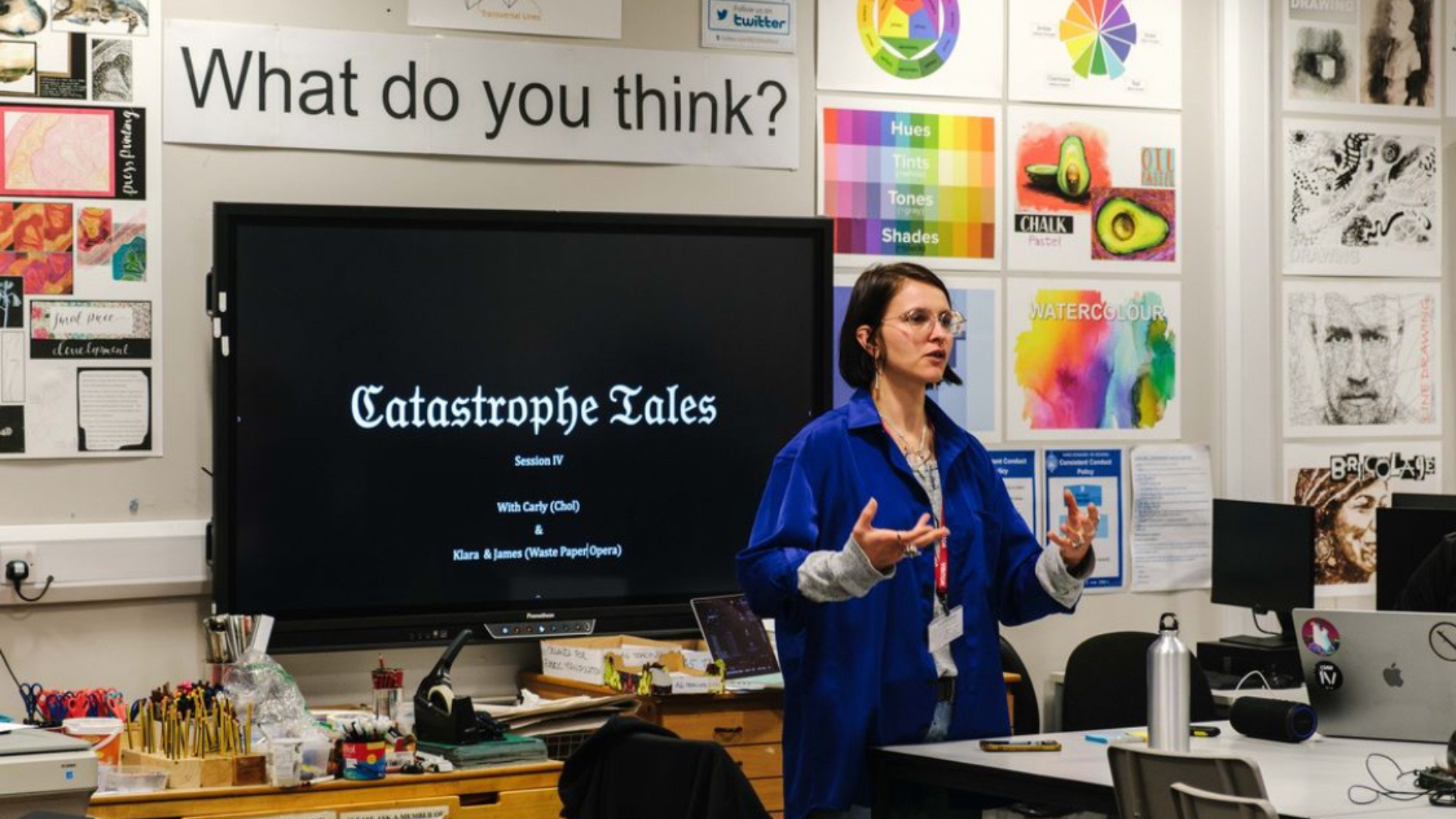
Klara Kofen, multidisciplinary artist, dramaturg, and researcher, is the 2026/2027 resident of the TBA21–Academy Residency Program in Venice, supported in this edition by the TIDAL ArtS initiative.
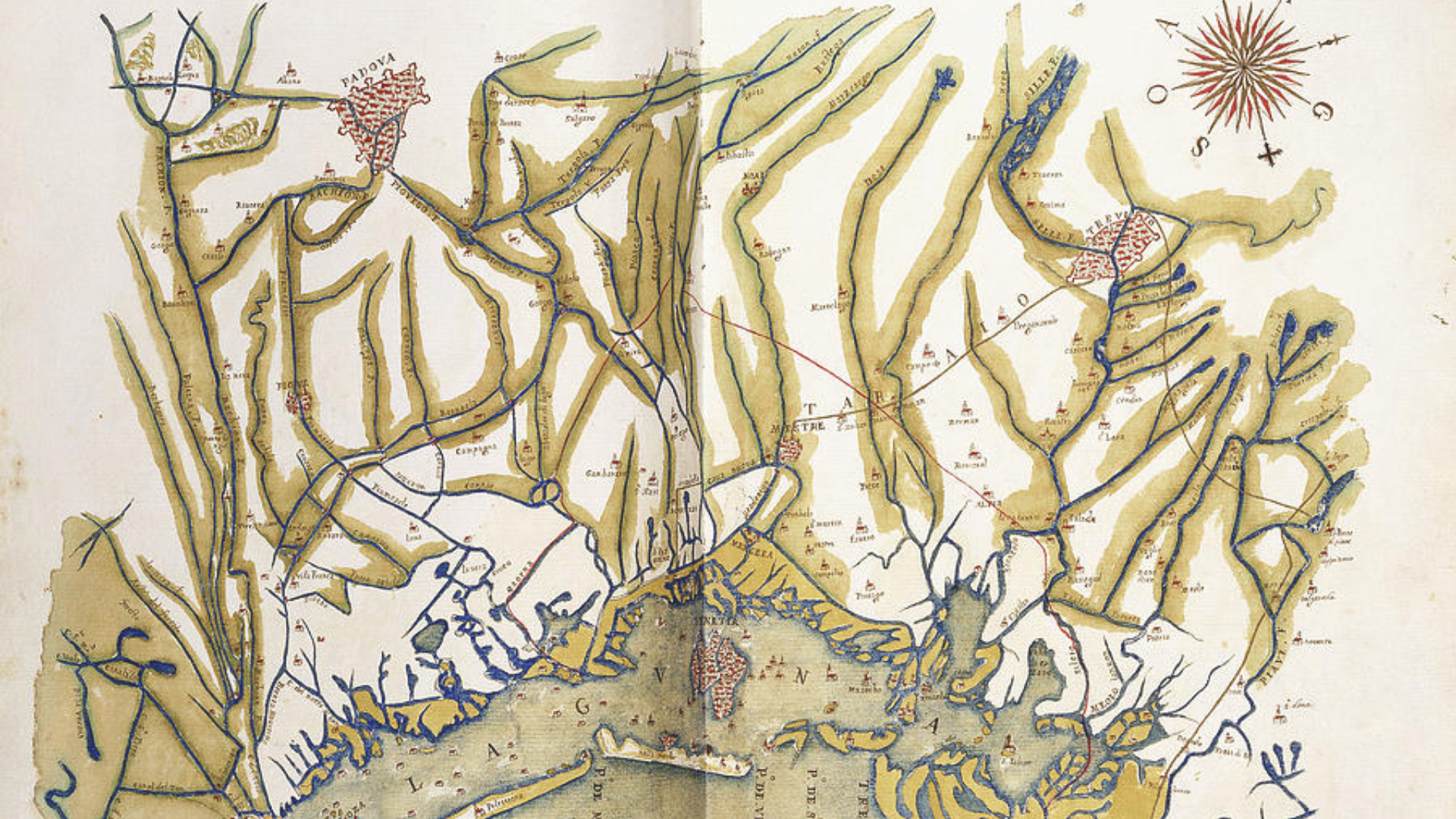
Kofen’s project In Counterfactual Waters explores the present, past, and future of the Venice lagoon’s many lives – as ecosystem, colonial archive, industrial body, and climate frontier – through the prism of the computational and epistemological affordances and limitations of the EU’s Digital Twin of the Ocean; a vast simulation being built to model the lagoon's complexity and guide the policy decisions that will determine its survival.
Digital Twins are machines that encode time. They synchronize sensor feeds, geological records, historical archives, and live data streams into a single, continuously updated model of the world—one that is always oriented toward prediction. In modeling certain pasts, they make certain futures thinkable and others invisible: they are counterfactual machines. Every simulation involves choices about which data counts, which histories are legible, and which timescales matter. The twin interprets, rather than represents, the lagoon. The Digital Twin arrives in a long lineage of tools that have claimed to model the world in order to govern it. It is the world model made dynamic: continuously updating itself, framing a boundless complex system. It narrates futures in the grammar of fact. Unlike an archive, it cannot be returned to—it has already done the work of interpretation, weighing some data streams over others, some temporalities over others, and presenting the result as a continuously updated picture of the world.
Working with scientists at CNR-ISMAR and DTO researchers, Kofen will analyze existing data streams and identify omissions, trace hydro-engineering turning points and their afterlives in the lagoon, and convene public workshops in which participants learn how digital twins operate and generate multimodal scores.
Through text, sound, and performance, participants will identify the causal relationships governing Venice’s hydrocommons and map alternative data streams and modes of engagement. Combining human and machine-generated material, Kofen’s residency project will culminate in an installative scenographic work at Ocean Space, activated by a new performance.
In Counterfactual Waters is Klara Kofen's artistic residency developed within the framework of the TIDAL ArtS residency program funded by the European Union, in collaboration with TBA21–Academy's Ocean Space in Venice.
Biographies
Klara Kofen is a multidisciplinary artist whose work is concerned with histories — speculative, counterfactual, real, and imagined — and the way technological interfaces shape our relation to time and affect. She works across performance, installation, film, sound, and writing, tracing how systems — infrastructural, technological, financial, affective — layer and distort time, encoding particular histories while quietly foreclosing others. Her work has been exhibited at Museo Nacional Thyssen-Bornemisza, Guggenheim Museum, BEK Bergen, Nottingham Contemporary, and others. Her writing appears in Catastrophe Time! (Strange Attractor/MIT Press), Cabinet Magazine, and Onomatopee. She has taught at Goldsmiths and University of the Arts London, and in 2024–25 was a UCL Institute of Advanced Studies Quirk Creative Fellow. She is the artistic director of Waste Paper Opera and one-half of Phorne. See more about the artist.
TIDAL ArtS is a project offering grants to artists, collectives, and creatives to support the European Union’s Mission to Restore Our Ocean and Waters by 2030. Using a tidal logic, the project fosters connections between disciplines and species. TIDAL ArtS emphasizes that human bodies, composed primarily of water, are both materially and semiotically entwined with other water bodies. By taking water as both a subject and praxis, TIDAL ArtS engages with the cyclical movement of water as a co-design methodology. In 2025, the initiative awarded grants to artists, collectives, and creatives across Europe to inspire engagement in the EU’s Mission to Restore our Ocean and Waters. The selected artists foster a connection between communities and their local water bodies, focusing on the unique identities of four key regions, called “Lighthouses”: the Atlantic-Arctic Ocean, the Mediterranean Sea, the Baltic-North Sea, and the Danube River-Black Sea. Each Residency is culture-led and co-creative in nature, activated in collaboration with local communities as well as scientific and cultural institutions. Additionally, the Interspecies Assemblies and Co-Creation Workshops will provide artists with knowledge of the local area. See more about Tidal ArtS.